
Mosquito Mysteries in the Doñana Marshes
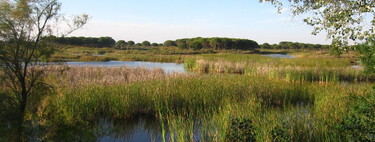
Today’s story unfolds in the dusky heart of the Guadalquivir marshes, where a fascinating entomological investigation is taking place. Researchers from CSIC and the University of Milan have set traps in one of the most studied ecosystems in Europe, searching for the elusive Nile virus mosquito. However, the findings were unexpected.
A Surprising Discovery
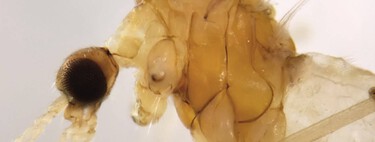
Instead of locating the mosquito they anticipated, the researchers came across hematophagous midges—tiny, two-millimeter flies known for their blood-sucking abilities that have been around for millions of years, yet had gone largely unnoticed. These bugs, despite their minuscule size, hold a significant place in the ecosystem.
What Are Hematophagous Midges?
Recently, researchers identified four new species of uncharted midges during their sampling operations. This is noteworthy, especially since this genus has never been recorded in Andalusia before. Female midges of the Ceratopogonidae family not only have a knack for biting humans but also prefer specific habitats such as sandy soils, dunes, and marshes where they lay their larvae. They are known for their daytime biting habits, which adds to their notoriety.
The revelation that these flies were present in a well-documented area raises questions about what other unnoticed species might exist in hidden corners of our environment.
The Bigger Picture: Undiscovered Fauna
If such a well-studied location like Doñana can still yield unexpected discoveries, it prompts a broader inquiry: How much microscopic life remains unidentified in other ecosystems? It makes one wonder how much more of our natural world we have yet to explore.
The Impact of Gnats
While annoying, gnats generally pose no threat compared to mosquitoes that can transmit diseases. However, there are instances, particularly in coastal areas like Tuscany, where unchecked gnat populations can negatively affect local environments and human activities. Similarly, Menorca has also witnessed problems due to a lack of control over these species. Fortunately, these midges do not carry diseases that threaten human health.
Final Thoughts
In conclusion, the ongoing research in Doñana highlights the complexity of insect life and the mysteries surrounding it. As scientists continue to observe and catalog these findings, we should remain aware of the intricate web of life that surrounds us, some of which may still be hiding in plain sight.

In Xataka: “Doñana has a problem, and the most expert hunters have the solution: an old trick to know what time of night the wild boars appear.”