
Iran’s Oil Exports Surge Amidst Conflict
The global crude oil market is currently facing what the International Energy Agency describes as “the largest supply disruption in history.” Ironically, while the Strait of Hormuz remains largely blocked to global navigation, Iran has ramped up its oil exports, exceeding pre-war levels.
The Incessant Flow of Oil
Despite the ongoing conflict, Iran’s oil export machinery has shown remarkable resilience. Recent reports from Kpler indicate that Iranian vessels loaded an average of 2.1 million barrels of crude oil per day, surpassing exports from February. This surge in exports primarily heads to China, which accounted for 90.8% of Iranian oil in 2024, according to Statista. Since late February, estimates suggest that between 11.7 and 12 million barrels have crossed into Chinese territory, showcasing a stark reversal of anticipated supply challenges.
China: The Lifeline for Iranian Oil
As sanctions from Western nations tighten, China has emerged as an indispensable lifeline for Iran. An expert quoted by Deutsche Welle explains that independent Chinese refiners are now purchasing discounted Iranian crude outside the US financial system, effectively creating a “parallel market.” This shift highlights how economic dependencies can transform during times of conflict, with Iran deftly maneuvering its exports through these channels.
Economic Implications and Rising Prices
The global energy crisis caused by the conflict has led to oil prices nearing $120 per barrel, levels unseen in four years. This volatility has prompted China to curtail fuel exports to safeguard its domestic supply, as detailed by Bloomberg. The precarious nature of global oil prices exacerbates the urgency of the situation.
The Strategic Importance of Kharg Island
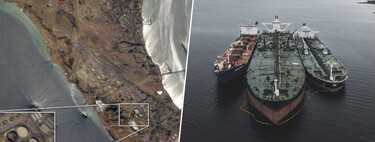
One focal point in this dynamic is Kharg Island, which remains intact amidst widespread bombardment of Iranian targets. Analysts suggest that Kharg is critical for Iranian exports, managing 90% of the country’s oil output. An attack on this strategic island could potentially catapult oil prices to $150 per barrel, creating economic chaos worldwide and crippling any future recovery efforts for a post-war Iranian government.
Evasion Tactics and the Shadow Fleet
Iran’s success isn’t solely due to military strength; it’s supported by intricate tactics to evade sanctions. The Wall Street Journal noted that Iran has turned to a “shadow fleet” of older oil tankers operating under false flags, effectively eluding detection. Financially, the regime has adapted as well. Documents reported by Euractiv reveal that Iran employs shell companies in China to conduct euro-denominated transactions, while utilizing cryptocurrencies to facilitate covert transactions without passing through conventional banking systems.
A Counterintuitive Triumph
In a scenario where other Persian Gulf producers are suffering from trade route blockages, Iran has paradoxically benefited from the chaos. This unfortunate situation acts as a shield for Kharg Island, allowing Iran to continue satisfying the growing demand from China. The conflict has not only maintained Iran’s maritime capabilities but has also positioned the nation advantageously in a precarious global energy landscape.
Conclusion
As the war unfolds, Iran’s ability to export oil in defiance of sanctions and military threats paints a complex picture of resilience and adaptability. While the world watches anxiously, the repercussions of these developments will likely resonate throughout global markets, influencing energy policies for years to come.