
Cooling Breaks: A New Era in World Cup Strategy
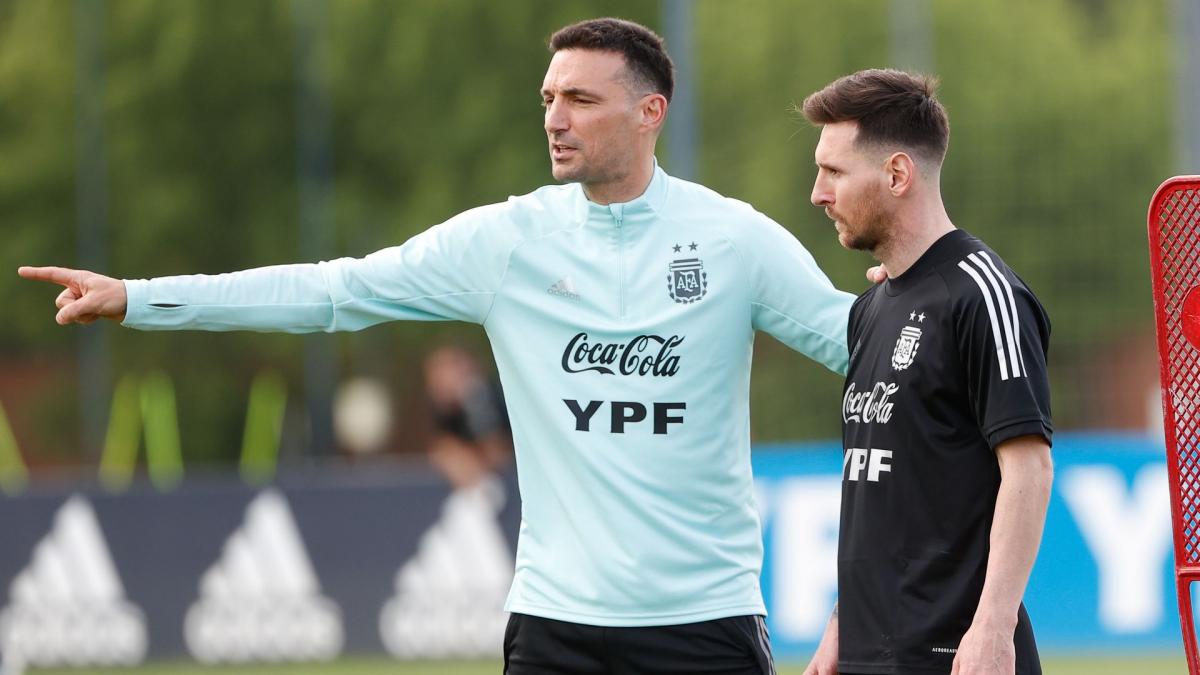
At a recent press conference in Arlington, Texas, Argentina’s coach Lionel Scaloni addressed a significant innovation in the 2026 FIFA World Cup—the introduction of cooling breaks. As teams prepare to face off in a tournament characterized by soaring temperatures, Scaloni suggests that these breaks could tip the balance between competing teams.
The Impact of Heat and Breaks
Scaloni emphasized that the ongoing heat, coupled with the cooling breaks, disrupts the traditional dynamics of matches. “What we see in this World Cup is that there are no easy matches anymore,” he remarked, pointing out that even top teams need to adapt to these new conditions. Argentina kicked off their campaign successfully with a solid 3-0 win against Algeria, showcasing that even the favorites must navigate the challenges presented by the weather.
Advantages for Weaker Teams
The Argentine coach further elaborated on how these breaks could prove beneficial for ostensibly weaker teams. During the interruptions, players have the opportunity to recharge and recalibrate their strategies. “The heat and constant breaks can help the theoretically weaker team because they have time to recover. It didn’t exist before,” Scaloni noted. This perspective opens up discussions about how match dynamics could change in favor of underdogs.
Potential for Surprises
While recognizing that the new system might create unexpected results during the group stages, Scaloni maintains that historically strong nations are likely to emerge victorious in the long run. This blend of unpredictability and historical precedence adds a layer of excitement to the tournament, which is likely to captivate fans worldwide.
Tactical Considerations
The introduction of cooling breaks poses new tactical challenges for coaches and teams. Strategies may need to be adjusted not just for the heat but also for the rhythm of the game. Coaches may choose to implement adaptive substitutions or reorganize formations based on how the match unfolds during these breaks.
Conclusion: A Level Playing Field?
In the realm of football, every advantage counts, and the 2026 World Cup could be a turning point in how the game is played at the highest levels. As teams gear up for the challenges of this unique tournament, the potential for surprises looms larger than ever. With cooling breaks, Scaloni’s insights may prove prescient as Argentina and other squads navigate the new landscape of competitive football.
In summary, cooling breaks could redefine match strategy in the World Cup, offering a shot at glory for teams traditionally seen as underdogs. As we approach one of football’s most anticipated events, all eyes will be on how these changes unfold on the pitch.