
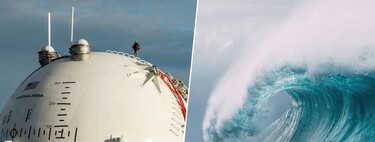
Wave Energy Finally Set to Make Its Mark
Among the various renewable energy sources currently being explored, wave energy remains one of the least utilized, often overshadowed by wind and solar power. Countries like Japan and regions with rugged coastlines, such as Galicia, have long recognized the immense potential of harnessing energy from ocean waves. In recent years, however, promising developments have emerged that could revolutionize this sector.
Current Landscape of Wave Energy
Historically, wave energy installations have existed, such as the Mutriku wave power plant in Spain. However, these early efforts have had limited impact due to their size and efficiency. To propel wave energy into mainstream production, there’s a pressing need for robust and scalable technology. This is where two pioneering projects in Portugal and Scotland, spearheaded by the Swedish company CorPower Ocean, are set to change the game.
Introduction of the C4 Power Converter
The heart of this innovation is CorPower Ocean’s C4 power converter, a device measuring 9 meters in diameter and 18 meters in height, weighing approximately 100 tons. Installed since 2023, it underwent rigorous testing four kilometers off the coast of Aguçadoura, Portugal, at a depth of 45 meters. This pioneering device recently achieved a milestone by receiving the first prototype certification from Det Norske Veritas, a prestigious global authority in offshore energy.
Significance of Certification
The certification serves a critical role. It confirms that the C4 power converter complies with crucial standards of resilience, reliability, and safety. The evaluation process included comprehensive reviews of design, structural integrity, and performance analysis under extreme conditions, including storms with waves reaching up to 18.5 meters. This authenticates the technology as commercially viable and ready for broader implementation.
Implications for the Renewable Energy Sector
Wave energy has often been considered an unfinished venture in renewable energy, trailing far behind wind and solar power. The confirmation of the C4’s reliability promotes confidence among financial and investment stakeholders. If this technology demonstrates commercial effectiveness, it could catalyze the funding necessary for the next phase of wave energy projects.
Historical Context and Future Outlook
Despite various experimental attempts since the first prototypes were patented in 1981, wave power has largely remained in the testing phase. Challenges such as unpredictable wave patterns and the harshness of marine environments have traditionally hindered consistent developments. Yet, CorPower Ocean is not standing still. They are preparing to launch their first two commercial parks in Portugal and Scotland, aiming for operation between 2027 and 2029.
Final Considerations
While the C4’s certification is a vital first step, it remains a prototype rather than a mass-manufactured device. Previous installations like the Mutriku plant have demonstrated lower electricity production than anticipated, prompting questions about whether the new commercial parks can meet expectations. However, if CorPower Ocean’s efforts succeed, wave energy could emerge as the third significant renewable source alongside wind and solar, contributing to the global decarbonization efforts.
For more information on these developments, check out the latest updates from CorPower Ocean.