
The Evolution of Running Footwear
Running transcends mere fashion; it represents a lifestyle that intersects with social status. The shoes that runners wear are not just accessories; they are the most sought-after items within this thriving industry.
Asics vs. Nike and Adidas
Traditionally, Nike and Adidas dominated the sports shoe market. Yet, new competitors have emerged, and one brand that stands out is Asics. This brand has made impressive gains, especially in the premium segment of running shoes priced over $90.
Asics’ Remarkable Rise
Asics has recently showcased its strength, capturing the attention of running enthusiasts. According to Nikkei Asia, Asics achieved a remarkable 17.4% market share in key markets like Japan, the U.S., and Europe, positioning it at the top of the ranking in the premium running shoe segment in just nine months.
Financial Performance
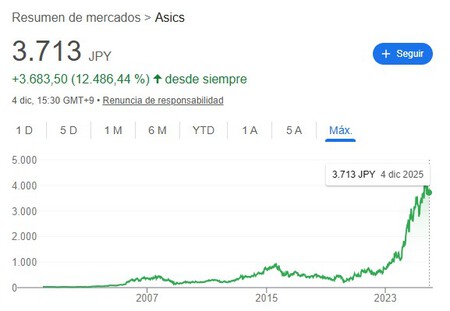
The financial outlook for Asics is promising, with its share price experiencing an incredible eight-fold increase over the last five years. As of August, its market capitalization reached approximately 3 trillion yen (or $19.4 billion). Betting on their success, forecasts suggest profits will grow by an impressive 17.9% this year, hitting 800 billion yen ($5.17 billion).
Profit Margins Under Scrutiny
While Nike and Adidas report total revenues of $46.3 billion and $27.3 billion, respectively, Asics offers a noteworthy profit margin of 17.5%. This figure is more than double Nike’s 8% margin and significantly higher than Adidas’ 5.6%, illustrating how effectively Asics has positioned itself in the market.
Turning Things Around
Asics hasn’t always enjoyed this level of success. The brand faced significant criticism in 2012 during the London Olympics due to poor athlete performances. This experience prompted a reevaluation, leading to the formation of a new development team and a strategic focus on athlete feedback to enhance future products.
Diversity in Offerings
Another aspect contributing to Asics’ success is its wide range of models tailored to various running specifications. Unlike competitors that offer fewer options, Asics provides five categories focused on essential characteristics like stability and speed, each featuring multiple models. This extensive catalog addresses the needs of everyone, from casual joggers to professional athletes.
Shifting Market Preferences
Interestingly, while Asics has increased its premium offerings priced above $90, it has simultaneously reduced its range of budget models. Post-pandemic trends indicate that cheaper shoes were popular initially, but the current demand leans towards high-performance footwear as more runners seek quality enhancements.
Innovation in Design
Asics has introduced cutting-edge models like the Metaspeed Ray, priced at 300 euros and known for its lightweight design at just 129 grams. Despite this, more accessible and popular models, such as the Novablast, continue to offer excellent performance at half the price.
The Competitive Landscape
The future of running shoe innovation includes not only Asics but also growing brands like Brooks, Saucony, and Hoka. As the market evolves, Nike’s stronghold as the benchmark is increasingly contested.
Source: Google Finance
In summary, Asics is redefining the hierarchy in the running shoe market, successfully challenging long-standing giants like Nike and Adidas. As consumer preferences continue to shift towards premium quality, brands willing to innovate and adapt, like Asics, are well-positioned for future growth.