
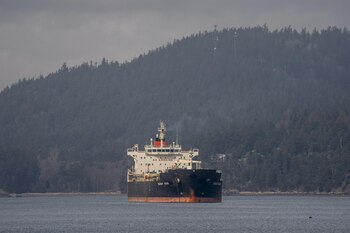
Ukraine Targets Russian Oil Tanker Qendil in Historic Mediterranean Strike
A New Front in the Ongoing Conflict
Ukraine has intensified its military efforts by targeting the Russian oil tanker Qendil in the Mediterranean Sea, marking a significant strategic shift. This attack highlights the expansion of the conflict beyond the previously contested Black Sea and Sea of Azov, demonstrating Ukraine’s commitment to disrupting Russia’s energy supply chain.
The Ghost Fleet Phenomenon
The Qendil was designated as a target due to its involvement in the so-called “ghost fleet”—a group of Russian vessels that have altered their routes and operations to bypass international sanctions. These tactics are part of a broader strategy employed by Russia to mitigate the impacts of sanctions and sustain its oil exports. Ukrainian authorities recognized the vital role of Qendil in facilitating the Kremlin’s financial operations, prompting this daring attack.
Strategic Execution by the SBU
The special operation was executed by the Alpha unit of Ukraine’s Security Service (SBU). Remarkably, the operation took place over 2,000 kilometers from the frontlines and occurred while the vessel was empty, thereby minimizing environmental risks. This calculated approach reflects Ukraine’s strategic foresight in engaging with targets that contribute to Russia’s military capabilities.
The Expanding Sanctions Landscape
As the European Union escalates sanctions against Russian maritime operations, the number of Russian vessels sanctioned has climbed to 597. This tightening grip complicates Russian access to pivotal logistical, financial, and technological resources required for its energy sector. In response, Moscow looks to adapt by implementing alternative routes to keep the oil flowing, albeit with significantly increased risks.
Legal Justifications Under International Law
The SBU has argued that the attack on vessels such as Qendil is justifiable under international law, particularly when those vessels are linked to military financing. This assertion positions Ukraine’s offensive within a legitimate framework, aligning military actions with legal precedents designed to undermine the adversary’s capacity to sustain warfare.
Shifts in Operational Dynamics
Recent assaults on Russian assets extend beyond the Mediterranean, with Ukraine targeting ships involved in transporting munitions in the Caspian Sea and disrupting oil platforms in various locations. These concerted efforts aim to disrupt Russian logistics and compel Moscow to rethink its maritime strategies.
Adaptive Strategies and International Cooperation
The evolving conflict underlines a continuous cycle of adaptation between the opposing forces. As Russia seeks to circumvent existing sanctions and operational constraints, Ukraine simultaneously ramps up its own military and economic initiatives in collaboration with international partners. This cooperative approach is essential to amplify the effectiveness of both sanctions and military operations.
Impact on Russian Logistics and Finances
The ramifications of Ukraine’s strategic offensive are already evident. The pressure on Russia’s energy sector is causing substantial logistical and financial difficulties, hampering its military funding mechanisms. The debilitating effects of these interventions aim to reshape the dynamics of the conflict, complicating Russian efforts to maintain its military operations.
Conclusion: An Ongoing Campaign
The attack on the Qendil not only represents a tactical win for Ukraine but also signifies a broader strategy to dismantle Russia’s military logistics and financial supports. As the conflict unfolds, Ukraine’s commitment to targeting energy infrastructure will likely remain a cornerstone of its operations, fundamentally altering the landscape of international maritime engagements and setting the stage for further confrontations in the future.