
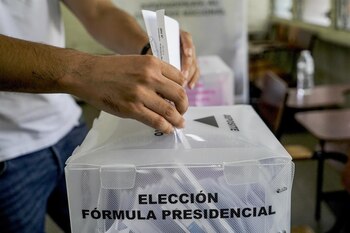
The Current Election Scrutiny in Honduras
Despite 99.80% of votes counted in Honduras, the electoral results remain uncertain. Numerous minutes have been suspended or annulled, with the identification of over 48 documents lacking voting records, as reported by El Heraldo. This casts serious doubt on the integrity of the count and fuels social and political pressure, keeping the election outcome in limbo.
Ongoing Review Process
The Electoral Logistics Center at the National Institute of Professional Training (Infop) in Tegucigalpa is overseeing this complex control process. Representatives from all political parties and national and international observers are actively participating. The demand for a thorough audit and full transparency drives the inspection effort as over 800 irregular minutes have emerged, with several completely empty records documented.
The special review encompasses 8,845 ballot boxes, with around 2,800 identified as having critical irregularities. This selection is based on anomalies found during routine checks, aiming to clarify potential questions surrounding electoral legitimacy. While various outlets cite concerns regarding the slow pace of the analysis, such delays heighten the perception of opacity, prompting further calls for transparency from both citizens and political parties.
Pressure on the National Electoral Council
The National Electoral Council (CNE) faces persistent pressure, with both institutional and community oversight attempting to validate each decision made. As reported by HRN, delegates from competing political parties supervise the special review, notably without direct involvement from CNE officials. Ana Paola Hall, the CNE president, has publicly emphasized the need to protect legitimate votes and raised alarms about possible manipulations during the ballot box procedures.
Demands for Verification from Candidates
Salvador Nasralla, a candidate from the Liberal Party, has called for the swift verification of all contested packages. Citing Honduran law, he stressed the necessity of the voter’s signature and participation certificate, key elements validating each vote. With about 2,141 additional ballot boxes still under review, the total number of scrutinized packages rises to the previously identified 8,845.
The Tight Race and its Implications
The electoral contest remains highly competitive. Recent reports indicate that Nasry Asfura from the National Party leads with 40.54% of the votes, closely followed by Nasralla at 39.20%. This minimal margin underscores the importance of resolving all challenges to declare a universally accepted winner. The special scrutiny is focused on analyzing annulled minutes, ensuring adherence to Honduran legal standards and responding to the acute demand for transparency.
Attention and Future Steps
The scrutiny has garnered significant attention from citizens and international bodies at the Infop facilities. Teams of observers scrutinize every step of the count, trying to ensure that the electoral process remains untainted. The concerns about the review’s tempo may lead to potential invalidation or challenges of the eventual results.
The atmosphere remains tense as the CNE prepares to make crucial decisions regarding the contested packages and any irregularities identified. Both HRN and El Heraldo note that calls for transparency, audits, and citizen vigilance are prominent, directly influencing public opinion and the electoral process.
Conclusion
Ultimately, the decisions made by the CNE regarding the opening of contested packages will play a pivotal role in determining election outcomes and the legitimacy of the incoming government. The ongoing insistence on transparency requires that every step of the review process upholds the highest legal standards, underscoring the importance of public acceptance and trust in the electoral system.