
The Navy’s Commitment to Combating Forest Fires in Spain
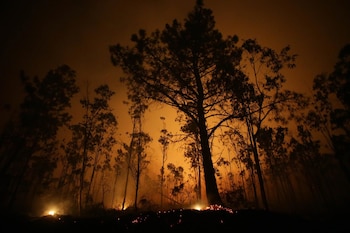
In recent weeks, forest fires have become a significant threat in several regions of Spain, prompting the Navy to take direct action. This has been exemplified by the deployment of the Marine Infantry Brigade ‘Third of Navy’ based in San Fernando, Cádiz , to assist in firefighting and support efforts on the ground.
The Navy’s Emergency Military Unit (UME) recognized the urgent need for additional assistance in battling the widespread wildfires across the northwest of the Iberian Peninsula. In a proactive move, they formally requested support from the Navy, which has quickly mobilized resources to help in surveillance , population support , and other emergency roles typical in such crises.
On the morning of their departure, approximately one hundred military personnel from the Second Landing Battalion of the Marine Infantry Brigade (TAAR) set out from San Fernando. This specialized unit is designed to tackle such emergency situations and is part of the broader operational framework established by the UME to combat forest fires effectively.
The Navy’s involvement is not new; prior to this focused effort, seven patrols from the northern Marina Infantry (known as Ternor ) had already been engaged in operations labeled ‘Sentinela Galician 25.’ This operation commenced on August 15 and aims primarily at monitoring Galician mountains to prevent further outbreaks of forest fires through deterrence and active presence in the region.
The Navy’s commitment is not solely about immediate firefighting tactics. They emphasize their readiness to offer resources , such as personnel and equipment, that are necessary in times of environmental emergencies. This reinforces their promise to stand by the Spanish society , ensuring that they respond effectively wherever their expertise is required.
The forest fires threatening Spain have raised significant concerns regarding environmental protection and public safety. The summer months are traditionally associated with high temperatures and dry spells , conditions that can exacerbate fire outbreaks. The necessity for military intervention reflects the severity of the situation, showcasing the collaboration needed between various national agencies to protect communities from natural calamities.
Local communities have often found themselves relying heavily on the efforts of the armed forces during these crises. By deploying military professionals, the Navy is not only participating in direct firefighting efforts but is also enhancing public confidence in the ability of national forces to respond to disasters. Their contribution extends beyond mere firefighting; it encapsulates a broader strategy for disaster management and community support.
In addition to direct aid, the presence of these military units also serves a psychological function, reassuring communities that they are not alone in facing such difficulties. The visibility of the Navy’s commitment helps maintain morale among populations directly affected by these wildfires, demonstrating a unified effort against natural disasters.
As the situation develops, it’s crucial to continue monitoring the actions of various emergency response teams. The Navy’s ongoing role and willingness to deploy more personnel exhibit a readiness to adapt and respond as the need arises. Their actions not only confront the immediate challenges posed by the fires but also illustrate the importance of preparedness in future events of a similar magnitude.
The ongoing situation in Spain underscores the escalating impact of climate change and the need for comprehensive preventive measures. As the Navy assists in ongoing firefighting efforts, it becomes evident just how vital collaboration among various sectors—military, government, and civil society—is to successfully manage such disasters. The Navy’s prompt response showcases a shared responsibility in safeguarding communities and protecting the natural environment for future generations.