
Mayor of Zaragoza Welcomes Venezuelan Coordinators
Reception at City Hall
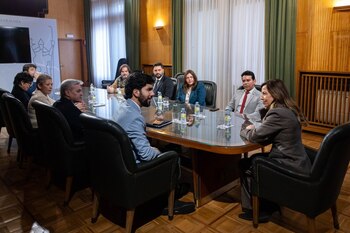
In a significant gesture of support for Venezuelan communities abroad, the Mayor of Zaragoza, Natalia Chueca, received Pedro Antonio de Mendoça, the coordinator of ‘World with Venezuela’ and ‘Vente Venezuela’ for Spain and Portugal. This meeting took place at the City Hall, showcasing Zaragoza’s commitment to enhancing dialogue and cooperation with the Venezuelan diaspora.
Attendance of Venezuelan Associations
The reception was notably enriched by the presence of representatives from various Venezuelan associations based in Zaragoza and the broader region of Aragón. These organizations reflect one of the fastest-growing groups of migrants in recent years, highlighting the increasing Venezuelan presence in Spain. Their participation underscores a collective push for greater visibility and support for Venezuelans living abroad.
Meeting with Government Officials
Prior to the reception with Mayor Chueca, de Mendoça engaged in a fruitful meeting with Aragon’s President, Jorge Azcón. Described by de Mendoça as “quite intense and exciting,” this dialogue involved several members of Azcón’s administration. The discussions centered around the challenges facing Venezuelans, both domestically and abroad, and the need for coordinated efforts to address these issues.
Recent Developments in Venezuela
The context of these meetings is marked by significant political shifts back in Venezuela. Following the January 3 capture of President Nicolás Maduro by U.S. special forces, the country’s leadership transitioned to former Vice President Delcy Rodríguez. This change was deemed necessary to guide Venezuela during a vital transition period aimed at restoring democracy.
Recognition of Opposition Leaders
Amidst these political upheavals, María Corina Machado, a prominent leader of the Venezuelan opposition, recently received the Nobel Peace Prize. In an event that drew considerable media attention, Machado presented the award to former U.S. President Donald Trump, who expressed an interest in supporting Venezuelan democracy. This recognition amplifies the international community’s focus on Venezuela’s plight and the urgent need for reform.
Conclusion
The interactions between Zaragoza’s officials and Venezuelan representatives signal a proactive approach to supporting the Venezuelan community in Spain and Portugal. By fostering these relationships, Zaragoza continues to play a critical role in advocating for Venezuelan rights and democracy, making clear that the struggles faced by nationals abroad are of utmost importance to local governments. As the situation in Venezuela evolves, these discussions will be pivotal in ensuring that the voices of Venezuelan emigrants are heard and valued.