
Will Weather Conditions Spoil the August 12, 2026 Solar Eclipse?
As we countdown to the solar eclipse on August 12, 2026, one pressing question looms: will the weather cooperate? This is an age-old dilemma for astronomy enthusiasts, as nobody wants precipitation to spoil the spectacle. Given the eclipse occurs close to sunset, clouds can impede the view even from far distances.
Current Weather Forecasts
While definitive answers remain elusive, early trend maps for the week of the eclipse suggest a generally optimistic, though not perfect, scenario. Reliable weather predictions usually emerge about three days prior to the event, making any forecasts at this stage tentative.
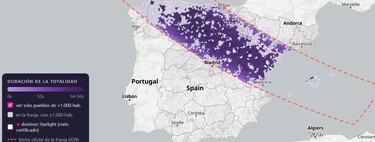
Drier Days Ahead — Forecasts indicate that regions in Spain, particularly Extremadura, northern Andalusia, and eastern Castilla-La Mancha, may experience drier conditions than usual for this time of year. Although the eclipse won’t be total in these areas, a significant portion of the Sun will still be visible, making it worthwhile to observe. However, other regions, including parts of Castilla La Mancha and south-central Aragon, are expected to experience above-average rainfall during this period.
Understanding Cloud Cover
Dry Doesn’t Equal Clear — It’s crucial to note that dry conditions don’t guarantee clear skies. Haze and cloud cover can still obscure visibility, and forecasting these factors well in advance proves difficult. Inland locations such as Burgos, Soria, or Teruel typically enjoy clearer skies in August, but afternoon storms could still disrupt the view. For those in the northern regions, watchfulness is advised due to the potential for Atlantic clouds rolling in.
Temperature Considerations
Heat Expectations — Early forecasts signal that the day of the eclipse will likely be warmer than average across Spain. As summer heats up, it’s vital to prepare: hats, lightweight clothing, and ample water supplies should be on your list to stave off heat-related issues. Although temperatures might dip during the eclipse itself, arriving at your viewing spot early could expose you to intense heat if you’re unprepared.
Challenges of Sunset Viewing
Sunset Problems — Timing is crucial for the solar eclipse, as it will occur when the Sun is low on the horizon, creating a unique set of challenges. Light must travel longer through the atmosphere, diminishing its intensity. When combined with clouds approaching from the west, particularly those miles away, the possibility of a compromised viewing experience increases significantly. This added layer of complexity means that even distant clouds can ruin your chance of an unobstructed view.
The Waiting Game
Ultimately, patience is key. As the date draws nearer, weather predictions will improve. However, even last-minute forecasts can surprise us. History tells us that stormy skies sometimes clear just in time for the eclipse. So remember, even if clouds appear threatening, it’s not always the end for your eclipse experience.
As the astronomical event of the century approaches, let’s keep our fingers crossed for clear skies and memorable moments.
Image | Magnific/Wikimedia Commons