
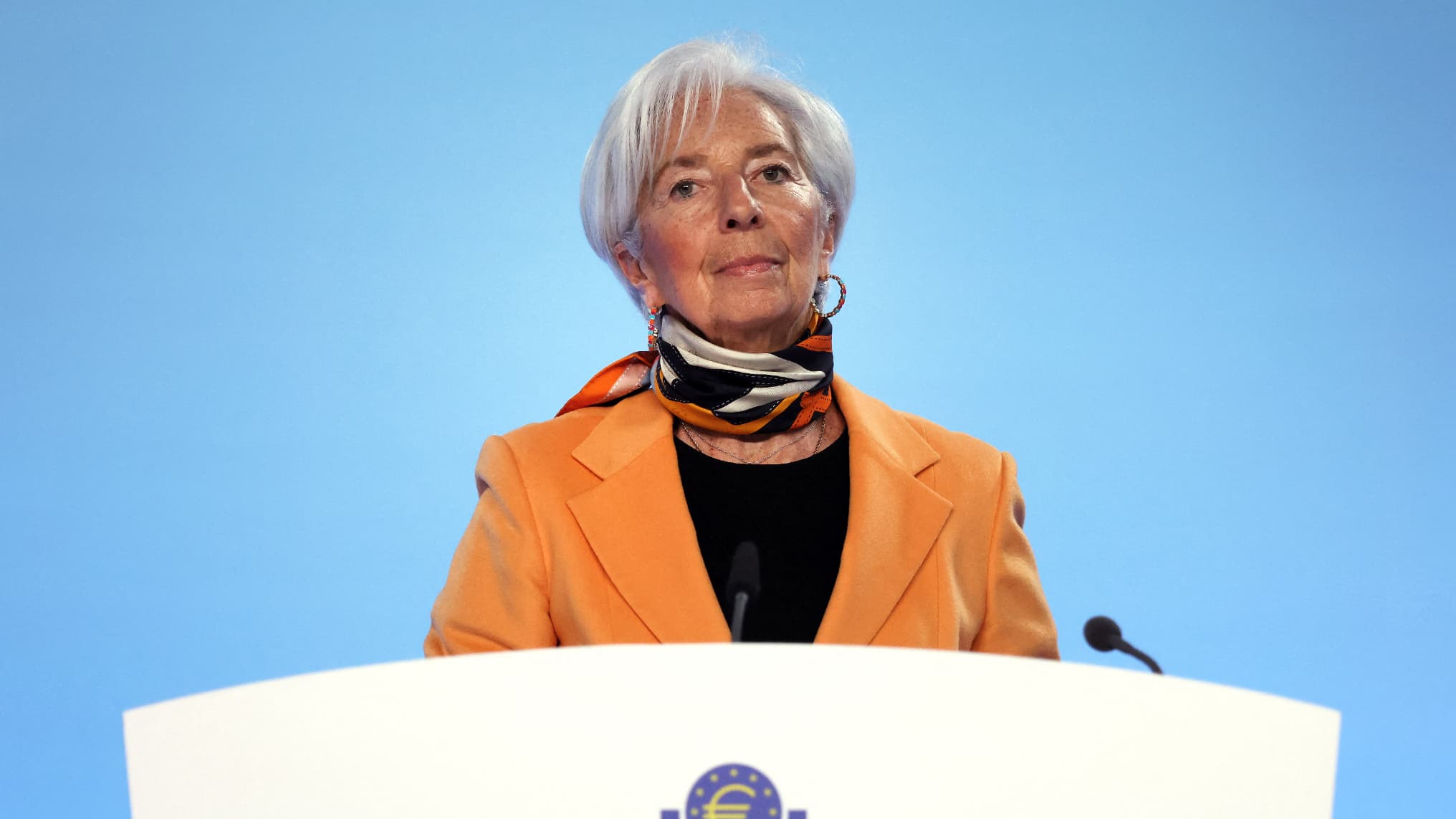
European Central Bank Cuts Interest Rate Amid Growing Economic Concerns
On Thursday, the European Central Bank (ECB) announced a significant reduction in its main interest rate by 0.25 percentage points, bringing it down to 2.0%. This marks the eighth rate cut within a year as the institution grapples with uncertainties stemming from trade tariffs imposed by former President Donald Trump and the associated repercussions for inflation and growth across the Eurozone.
The latest adjustment to the deposit rate is a notable shift from the ECB’s previous tightening cycle. Initially aimed at curtailing soaring prices, the deposit rate had soared to a historical high of 4.0% over two years of aggressive monetary policies.
Inflation Trends and Economic Resilience
Since June 2024, a noticeable decline in inflation within the Eurozone has allowed the ECB to ease its stance on interest rates. As of the latest data, inflation levels stood close to the ECB’s target of 2%, prompting officials to reconsider prior strategies based on economic performance. ECB President Christine Lagarde indicated that the current rate is no longer detrimental to growth, suggesting that the European economy is exhibiting signs of resilience, despite lingering concerns.
The ECB noted that while inflation has stabilized, the overall economic activity in the twenty countries within the Eurozone remains tepid. There are growing fears that a weak demand could potentially lead to deflationary pressures, making it crucial for the ECB to continue monitoring the situation closely. They explained that uncertainty around trade policies may temporarily hinder investment and exports; however, growth could still be bolstered by increased public investments and a robust labor market.
U.S. Tariff Threats and Their Impact
The looming threat posed by Donald Trump’s administration continues to shadow the Eurozone’s economic outlook. With tariffs on European goods being a possibility, anxieties are high regarding the potential fallout. Trump’s ultimatum regarding a 50% tariff on European products expires on July 9. Already, the U.S. has imposed a 50% tariff on steel and aluminum imports from Europe, prompting sharp condemnation from European Commission Vice President Maros Sefcovic, who emphasized the complications it introduces to ongoing negotiations.
The ECB has asserted a commitment to adjusting its policies based on economic data, noting that future decisions will be made on a meeting-by-meeting basis.
Current Inflation Levels and Future Forecasts
Recent data has confirmed the ECB’s decisions, revealing that inflation has dropped to 1.9% in May, falling below the targeted 2% threshold. This decline in inflation can primarily be attributed to the decrease in energy prices. Even when isolating food and energy prices, core inflation has also decelerated, falling to 2.3% in May from 2.7% in April. The ECB remarked that while wage growth remains strong, the pace is modestly easing, alleviating concerns about second-round effects on prices.
Subsequently, the ECB has revised its macroeconomic forecasts, taking into account these recent inflation trends. They have lowered their inflation projections for 2025 and 2026, which is attributed to both declining energy prices and a stronger Euro. For the current year, the ECB has moderated its inflation projection to 2.0%, down from the previous estimate of 2.3%. Experts forecast inflation will further decline to 1.6% in 2026 before steadily returning to 2.0% by 2027.
Growth Projections and Global Comparisons
In terms of economic growth, the Eurozone is anticipated to expand by 0.9% in 2025, which remains consistent with March estimates. However, projections for the following year have been adjusted downward, with expected growth at 1.1%, in contrast to the previously estimated 1.2%. This revision is largely due to the uncertainties surrounding the U.S. tariffs.
The ECB’s series of rate cuts stands in stark contrast to the stance of the U.S. Federal Reserve, which maintains interest rates above 4% due to fears that the trade measures may spark inflation within the United States. Similarly, the Bank of England has adopted a parallel strategy.
Looking ahead, as the second half of the year unfolds, the focus in the Eurozone may shift from trade tensions to closely monitoring the effects of Germany’s recovery plan, particularly how it influences growth and inflation beyond 2025.
In a rapidly changing global landscape, the ECB’s recent actions highlight the delicate balancing act required to foster economic stability amidst external pressures.
Through continuous evaluation of economic indicators, it aims to remain agile in its response, ensuring that the Eurozone remains resilient in the face of myriad challenges.