
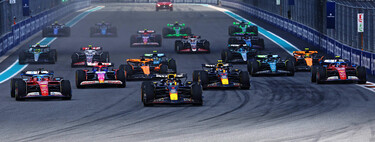
“The electric is the future.”
The words from Koji Watanabe, head of HRC (Honda Racing Corporation), highlight a pivotal moment for the motorsport industry. Currently, Honda does not have an official car within the Formula 1 championship but supplies its engines to Red Bull. In 2026, they plan to extend this relationship to Aston Martin and have hinted at the possibility of collaborating with more teams in the future.
However, Honda’s ongoing presence in this historic competition may be contingent on the direction the sport takes. The FIA (International Automobile Federation) has renewed its emphasis on electrification, a journey that began in 2014 with hybrid regulations. Now, proposed regulations suggest a return to V8 combustion engines, a move that could drive a wedge between teams and manufacturers.
While some teams embrace this shift, others, like Audi and Honda, are resisting the idea of a return to traditional combustion engines. This divergence in strategies threatens not just team alliances but the very integrity of the sport itself.
“We didn’t come for this”
The upcoming 2026 season promises significant changes, including new chassis designs and revamped power units. These power units, while still hybrid, are set to adopt a larger proportion of electrical power. From 2026 onward, teams will be mandated to utilize 100% sustainable fuel, shifting the hybrid balance from the current 20% electricity to potentially 45% of total power, which raises concerns about performance.
Fans have been vocal about their displeasure since the introduction of the V6 Turbo hybrid engines in 2014; many argue that the excitement of racing diminished with the V8 and V10 engines. The current regulations froze engine development in 2021, leaving Red Bull potentially stranded due to Honda’s withdrawal.
Early simulations reveal alarming results, with new engines performing poorly. This troubling data indicates that drivers, especially on power-heavy circuits like Monza, may need to lift off the throttle early in a bid to conserve battery power—a grave scenario for competitive racing.
The increased reliance on electric power dramatically changes driving dynamics. According to Hywel Thomas, a Mercedes engine development expert, regenerative braking will play a crucial role in how energy is managed, further complicating the racing strategy.
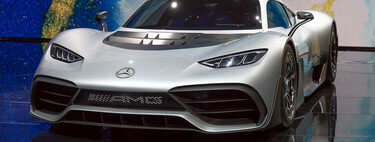
In light of these challenges, manufacturers are lobbying for a revival of larger engines. Audi and Honda firmly believe that electrification should play a pivotal role in achieving a more sustainable motorsport future, making it clear that they aren’t keen on reverting to outdated technology.
As Audi prepares to join the grid in 2026, they’ve openly expressed their disdain for rekindling the V10 era, emphasizing the importance of hybrid power units in their strategy. The German manufacturer has reiterated that their commitment to F1 was driven by the existing hybrid framework and that a pivot back to V8 engines would undermine their investment.
Industry Implications of Racing Regulations
The struggle over engine regulations goes beyond mere technical specifications; it symbolizes a broader ideological battle within the automotive industry. As Honda and Audi advocate for electrification, supporting firms such as Ferrari, Ford , and Cadillac argue for the return of powerful combustion engines.
As automotive trends steadily shift towards electrification, manufacturers are keenly aware of the implications of these regulatory changes—making them highly invested in future-proofing their brands. The push from Ferrari, Ford, and Cadillac to return to V8 engines reflects their strategic vision, particularly as they navigate the challenges of increasingly stringent environmental regulations.
Both American companies aim to maintain a dual offering: electric models for daily commuting and traditional powerhouse engines for performance enthusiasts. This two-pronged strategy ensures they cater to a diverse customer base while still adapting to shifting market demands.
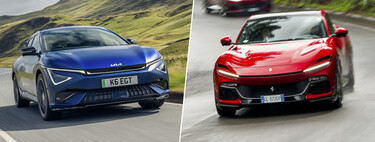
Mercedes, facing challenges in tangible electric models, appears open to the idea of continuing to develop combustion engines while progressing into electrification. Meanwhile, Honda has achieved significant success in the American market with their hybrid engines, slowly moving toward full electrification, a transition echoed by Audi.
The fight surrounding Formula 1’s future isn’t just about sporting prestige; it touches on massive financial investments intertwined with the evolution of automotive technologies. As the sport strives to remain a pioneering laboratory on wheels, the stakes have never been higher for both manufacturers and teams, underscoring the importance of the decisions they will make in the years to come.
Photo | Audi and Ferrari
In Xataka | “I do not understand this fight against the car or some technologies”: Germany and Italy lift the voice against the EU