
Huawei Unveils the World’s First 100 MW Recharge Station for Electric Trucks
Huawei is making headlines once again with its ambitious innovation in electric mobility. The company has officially launched the first-ever 100 MW recharge station in Beichuan Qiang, China, designed specifically for large-tonnage electric trucks. This groundbreaking initiative not only showcases Huawei’s commitment to revolutionizing transportation but also solidifies its position as a key player in the electric mobility sector.
The Largest Charging Station in the World
Located approximately 400 kilometers from Chongqing, one of China’s most populous cities with over 30 million residents, this 100 MW charging station stands out as a critical infrastructure hub. With its placement far from metropolitan areas, it addresses the challenges associated with charging electric vehicles during long-haul routes. The largest charging station in the world in terms of power output, it sets a new standard for electric vehicle infrastructure.
Key Specifications of the Huawei Station
So what makes this station remarkable? Here are the essential details that highlight its capabilities:
- 18 charging points with a power output of 1.44 MW each
- 108 charging points with 600 kW output
- A total capacity that reaches 100 MW
- Two large storage units with a capacity of 215 kWh each
- The ability to recharge up to 700 trucks per day
These figures are a game-changer in the world of electric vehicle infrastructure, particularly for the heavy transport sector.
Understanding the Technology Behind the Numbers
For those unfamiliar with electrical power specifications, it might be useful to understand how Huawei’s 100 MW station compares to existing charging options worldwide. In Spain, for instance, most rapid charging stations currently operate at about 150 kW. The most advanced installations may reach up to 350-400 kW, but these are exceptions rather than the norm. In fact, few electric vehicles on the market today can even take advantage of charging rates exceeding 250 kW.
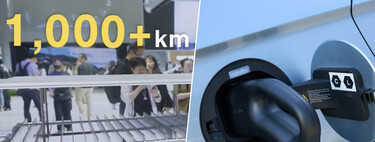
The power capabilities found at Huawei’s charging station cater primarily to electric trucks. A 1 MW charger can provide a BYD electric car with an impressive 400 kilometers of range in just five minutes. In contrast, a truck could recover approximately 100 kilometers in that same time frame, a perfectly feasible duration for longer stops normally expected in heavy transport operations.
Strategic Benefits and Business Opportunities
Huawei’s innovative approach to high-capacity electric vehicle charging stations also aligns with its strategic goals in the electric mobility sector. While other manufacturers like BYD have dominated the conversation surrounding high-capacity chargers, Huawei has carved out its niche by developing its own technologies and infrastructure.
To further enhance its green credentials, Huawei’s new station incorporates photovoltaic energy, enabling it to operate independently from the main electricity grid. This grants the facility a microgrid system that emphasizes renewable energy — a crucial step in reducing the overall environmental impact of transport.
Competitive Advantages in the Market
Through its cutting-edge designs and technology, Huawei stands as a competitive force against rivals in the electric mobility space. It has focused on refining the liquid cooling systems within its chargers, preventing overheating and ensuring the maintenance of high-power output. As of late 2024, Huawei has successfully deployed 50,000 charging plugs across 200 cities in China.
Moreover, the company is expanding beyond mere charging infrastructure. It is actively providing technology solutions for infotainment systems and software management in high-end vehicles from major manufacturers like Maextro, which has recently introduced a nearly 5.5-meter-long luxury sedan.
Conclusion
The unveiling of Huawei’s 100 MW recharge station marks a seminal moment in the evolution of electric mobility. With its potent combination of sustainability, innovation, and strategic foresight, the company is not just redefining the future of electric transport but also setting benchmarks that will likely influence developments globally. As transportation transitions toward electrification, Huawei’s significant advancements in infrastructure can pave the way for a more efficient and greener approach to heavy logistics. By addressing the existing challenges with such innovative solutions, Huawei is on track to solidify its status as a leader in the electric mobility market, both within China and beyond. The company’s focus on integrating renewable energy sources places it at the forefront of a transformative era, encouraging a shift toward more sustainable practices in the transportation sector.