
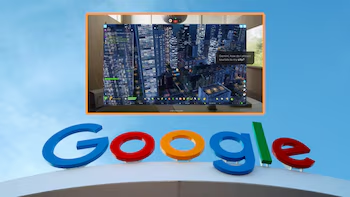
Google Expands Android XR with New Features for the Galaxy XR
Google has recently unveiled exciting updates to its Android XR operating system, enhancing the user experience on Samsung’s Galaxy XR headset. This move underscores Google’s commitment to integrating extended reality (XR) and artificial intelligence (AI) into everyday technology.
Key Features of Android XR
PC Connect
One of the standout features introduced is PC Connect, which allows users to directly link their computers to the Galaxy XR viewer. This functionality enables seamless access to desktop applications and browser windows, making it easy to manage tasks within an immersive environment. For professionals seeking to blend productivity with a unique XR experience, this feature revolutionizes how they interact with their work.
Travel Mode
Another innovative addition is Travel Mode, designed to ensure visual stability and comfort while on the go. Whether traveling by train, airplane, or car, users can enjoy multimedia content without experiencing dizziness or discomfort. This mode enhances the overall XR experience, allowing for uninterrupted productivity and entertainment regardless of the user’s location.
Enhanced User Interaction
Your Likeness
The Your Likeness feature allows users to create a digital facsimile of themselves using facial scans from their smartphones. This representation can be used during video calls, capturing real-time expressions and gestures, fostering more natural interactions in applications like Google Meet. The ability to convey emotions and subtleties through a digital avatar elevates personal communications within the XR space.
System Autospatialization
Looking towards the future, Google has announced System Autospatialization, a feature set to launch next year. This technology will enable viewers to transform digital windows into immersive three-dimensional experiences, seamlessly blending the virtual and physical worlds. Users can expect a heightened sense of presence when gaming or watching videos, significantly enhancing the immersive quality of the content.
Future Devices and Ecosystem
Google is not merely focused on software; it is also expanding its hardware ecosystem. Collaborations with Samsung and brands like Gentle Monster aim to develop new devices that integrate AI and mixed reality into daily life. Plans include two types of smart glasses: one without a screen, optimized for voice commands, and another featuring integrated displays to provide real-time information such as navigation and translations directly on the lenses.
Commitment to Extended Reality
Android XR exemplifies Google’s broader vision for extending reality, merging virtual and augmented realities through a unified system. This platform sets the stage for advanced applications designed for various devices, making information more accessible and interactive.
Conclusion
With these advancements in Android XR, Google is positioned to reshape how users interact with technology in both professional and personal arenas. As both hardware and software evolve, the potential for enhanced user experiences in extended reality continues to grow, particularly with the Galaxy XR headset competing in a market that includes formidable players like Apple and Meta. Google’s focus on AI integration and user-friendly interfaces sets a promising trajectory for the future of XR technologies.