
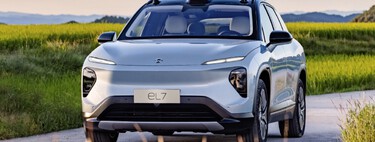
Xiaomi’s Bold Venture into Electric Cars
Building a car brand from scratch is no small feat, and the challenges are particularly steep in the automotive industry. The surge of electric vehicles (EVs) has opened doors for new players like Tesla but has also seen many hopefuls falter—think Fisker, Dyson, and even tech giant Apple. However, Xiaomi’s entry into the electric car sector signifies a new strategy fueled by a cadre of experienced engineers from renowned brands like Porsche, BMW, and Lamborghini.
The Evolution of China’s Automotive Industry
China has historically leveraged its state policies and burgeoning technology sector to establish itself as a formidable player in the automotive world. In the early 2000s, European car manufacturers were welcomed into China’s market but required to partner with local companies. This policy led to a significant transfer of knowledge, empowering Chinese brands to tailor their products to local preferences.
Today, the tables have turned. Chinese consumers increasingly favor locally developed vehicles that they perceive as more advanced than their Western counterparts. This demand for domestic innovation has even encouraged companies like Volkswagen to recruit engineers from China to better navigate this dynamic market.
The All-Star Team at Xiaomi
Xiaomi’s electric vehicle initiative is emblematic of this trend, showcasing a deliberate amalgamation of Western expertise and Chinese ambition. The company has assembled a powerhouse team of engineers and designers, many of whom have illustrious backgrounds in top-tier automotive companies. This includes Jean-Arthur Madelaine, formerly of Citroën and Polestar, who now heads Xiaomi’s electric design team, and Fabian Schmölz-Obermeier, a key figure in the design of Lamborghini’s iconic models.
By tagging these all-star talents, Xiaomi is not merely producing an electric vehicle; it’s crafting an experience that aligns with contemporary European standards. With every team member bringing a wealth of experience—from Devon Schmitt’s aerodynamic expertise to Kai Langer’s focus on user experience—Xiaomi seems poised for success in foreign markets.
Adapting to Market Demands
To gain traction outside China, Xiaomi understands the need to adapt its vehicles to meet the specific preferences of European consumers. Mimicking the strategies of other successful brands, the company is tailoring its designs and technology to fit local tastes. Recent instances show that some Chinese brands have struggled to adapt to European roads and driving habits, emphasizing the need for deeper market research.
However, Xiaomi is setting a precedent by establishing research and development centers in Europe. This strategy not only allows for more tailored product development but also signifies the brand’s commitment to understanding and matching the unique demands of European drivers.
Conclusion
Xiaomi’s ambitious leap into the electric car market is a reflection of broader trends in the automotive landscape. By marrying Chinese manufacturing capabilities with European engineering prowess, the company is charting a course for success in an increasingly competitive space. As the electric vehicle sector continues to evolve, Xiaomi’s all-star team positions it favorably to resonate with consumers who demand high-quality, innovative products. With adaptability at its core, Xiaomi is not just aiming to be a player in the electric car market; it aspires to lead.