
The Evolving Threat Landscape of U.S. Nuclear Security
The United States has long relied on the “triad” nuclear strategy, which integrates submarines, land-based missiles, and bombers. Developed during the Cold War, this model presumed that the nation’s territory was largely shielded from direct threats, enabling a focus on international defense rather than safeguarding domestic installations.
Unprecedented Drone Attacks on U.S. Nuclear Bases
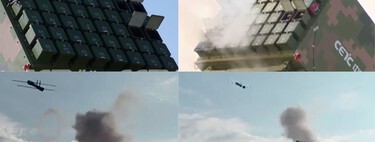
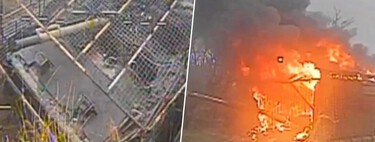
Recent events have dramatically changed this perception. Analysts have reported a surprising turn of events amidst military operations in Iran, with waves of unauthorized drones infiltrating key U.S. military bases linked to nuclear arsenals. These incursions aren’t mere isolated incidents; they are coordinated attacks over several days, disrupting critical operations and compelling emergency protocols to be activated. The U.S. homeland has now experienced a persistent aerial threat, previously thought to be an unlikely scenario.
Barksdale Air Force Base: A Critical Target
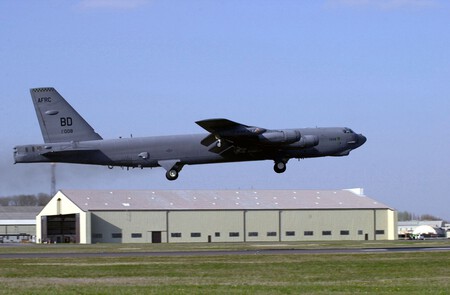
One of the most alarming incidents occurred at Barksdale Air Force Base, a vital component of the U.S. nuclear framework. Known for housing strategic bombers and long-range missiles, Barksdale became a battlefield itself, facing drone swarms that disrupted bomber sorties engaged in overseas operations. This unprecedented situation blurs the lines between offense and defense—a common theme in modern warfare.
The Sophistication of Drone Technology
These drone incursions are not simple hobbyist projects; they showcase advanced technology. Reports highlight their resilience to electronic interference, use of varied entry and exit tactics, and capability to operate in dispersed formations, making them extremely difficult to track. Attempts to neutralize these threats through conventional countermeasures have fallen short, indicating that these drones may be operated by highly sophisticated systems capable of partial or complete autonomy.
The Intelligence Gathering Risk
This evolving threat goes beyond immediate physical dangers. Drones flying over critical facilities can gather invaluable intelligence, mapping electronic emissions, identifying operational routines, and photographing sensitive infrastructure. The capability to compile detailed profiles of strategic bases enables more precise and effective future attacks, transforming every raid into a reconnaissance mission of high value.
National Vulnerabilities and Air Defense Gaps
Unfortunately, many U.S. military installations lack sufficient air defense systems against drone threats. Relying on improvised solutions to counter these emerging dangers reveals a worrying vulnerability in U.S. national security. The seemingly robust military prowess projected globally contrasts starkly with its vulnerability to low-cost yet technologically advanced threats at home.
A Strategic Paradox Unveiled
The paradox is stark: while the U.S. maintains unparalleled military capabilities abroad, it struggles to secure its own homeland from relatively small, advanced threats. This mismatch is not an isolated phenomenon; it mirrors challenges seen in places like Ukraine and Iran.
Embracing a New Paradigm of Warfare
The recent drone incursions signal a paradigm shift in military security. Not even the most fortified bases of a superpower like the United States can now be considered safe simply because they lie within national borders. The integration of advanced drones, sensors, and electronic warfare is bringing conflict closer to the heart of key defense infrastructures, raising the unsettling prospect that future battles won’t solely occur overseas but also hinge upon protecting what was once taken for granted.
In conclusion, the increasing sophistication and deployment of drones necessitate a re-evaluation of current defense strategies. The need to fortify and evolve air defense mechanisms is more pressing than ever, and this evolving landscape will define U.S. military operations in the coming years.