
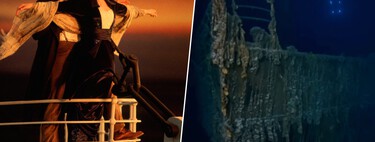
The Titanic: A Story of Heroism Until the End
The Titanic’s story is laden with significant dates, marking its ambitious journey from construction in July 1908, to its grand launch in May 1911, and ultimately its ill-fated maiden voyage on April 10, 1912. However, the date that resonates the most is April 14, 1912, when the luxurious vessel tragically collided with an iceberg off Newfoundland, leading to its swift demise just hours later.
A New Insight into an Old Tragedy
Over a century later, the Titanic continues to fascinate and educate. Recent technological advancements have provided us with a powerful tool to explore this historic shipwreck. Researchers have conducted a remarkable 3D mapping of the Titanic, which lies approximately 3,800 meters below sea level. This painstakingly collected data has given rise to a digital twin of the vessel, shedding light on the integrity and bravery of the crew during those final, harrowing hours.
The 3D Mapping Project
The project, undertaken by Magellan Ltd in the summer of 2022, involved over 200 hours of research using remotely controlled submersibles. This expedition yielded more than 700,000 images, culminating in a 3D representation already featured in National Geographic’s ‘Titanic: the Digital Resurrection.’ By presenting the ship “as if the water around it had been drained,” the researchers have opened up avenues for a deeper understanding of this maritime disaster.
Unraveling the Mysteries of the Wreck
Despite decades of study, critical questions about the Titanic’s sinking have remained unanswered. The digitized model offers researchers tangible evidence, shifting the focus from speculation to reality. Areas of interest include the ship’s structure, damage sustained during its sinking, and the debris scattered across the ocean floor. Every fragment appears to hold the potential for new findings, adding to the complex narrative of the Titanic.
Scanning the Unseen
The scan not only reveals the external aspects of the ship but allows researchers to “sneak” inside the vessel. For example, the boiler room remains a focal point for study. Findings suggest that parts of the boilers were still operational when the ship went down. This revelation speaks volumes about the heroism exhibited by a team of engineers, led by Joseph Bell, who continued to feed coal to the furnaces amidst chaos.
The Significance of Power
Noteworthy discoveries, such as an open valve on the deck, indicate that the ship’s electrical system was still active. This continued power supply provided vital lighting during the critical evacuation efforts. Experts believe that the crew maintained this electricity to prolong the time available for passengers to board lifeboats, significantly elevating their chances of survival.
The Bravery That Shone Through Darkness
In the face of disaster, the crew’s courage and determination to save lives were exemplary. The engineers worked tirelessly, reflecting an unwavering dedication to their responsibility. Unfortunately, many of them ultimately perished in the icy waters, but their sacrifice illuminated the path for countless others.
Conclusion: Heroism in Tragedy
The Titanic’s story remains more than just a tale of a doomed ship; it encapsulates acts of bravery under extreme duress. The technological advancements in research not only unveil new information but allow us to appreciate the steadfast courage of those who fought against the odds until the very end. The Titanic may have been lost to the depths of the Atlantic, but the heroism of its crew continues to resonate, shedding light on both the darkness of disaster and the resolute spirit of humanity.