
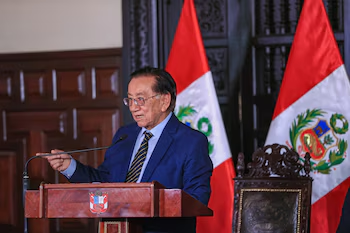
Controversy Surrounding Interim President José María Balcázar’s Trip
Departure Despite Postponements
Interim President José María Balcázar left Peru on June 15, contradicting his earlier claims that he would delay his trip to Europe until June 17. This timing is particularly notable given the ongoing political tensions surrounding the vote counting of the presidential second round, which is nearing completion with just 1% remaining.
Evidence from Immigration Reports
A report from the National Immigration Superintendence, obtained by the investigative unit of Channel N, outlines Balcázar’s departure details. The document indicates that he had originally been authorized by Congress to travel from June 15 to June 19, with Spain as his first destination. This contradicts his public statements made across multiple interviews, where he stated that he was staying in the country to avert any interference with the electoral process.
Official Reasons Given for the Trip
In his remarks, Balcázar claimed that the escalating situation related to the runoff elections prompted his decision to remain in Peru at first. He advocated for a presence in the capital to ensure that there wouldn’t be any disruptions during this critical electoral phase. He emphasized the importance of maintaining order during the election scrutiny, which has heightened tensions among the populace.
Meetings with Law Enforcement
During his time abroad, Balcázar was expected to meet with Pope Leo XIV in the Vatican and discuss various matters with authorities in Rome and Paris. However, he has also indicated plans to hold discussions with law enforcement and military leaders upon his return. He aims to assess the current situation in Peru and prepare for any scenarios that may require authoritative intervention.
Ensuring Peaceful Protests
In light of potential protests stemming from the electoral process, Balcázar stressed the need to instruct police, advocating for respect towards demonstrators. His directive emphasizes avoiding provocations or unnecessary use of force during any marches, highlighting a commitment to peaceful protest scenarios in the final stages of election scrutiny.
Political Implications
The controversy surrounding Balcázar’s trip raises significant questions about his leadership during a fragile political moment. As tensions grow, citizen trust in governmental transparency is essential. Balcázar’s actions and decisions moving forward will likely face scrutiny from both the public and the political establishment.
Conclusion
The unfolding drama around José María Balcázar’s unexpected trip during a critical political juncture exemplifies the complexities faced by leaders during elections. With heightened scrutiny of his actions, Balcázar’s approach to managing both local protests and international relations will define his interim presidency’s legacy. Observers will be keenly watching how he navigates these turbulent waters as Peru continues its democratic processes.