
Understanding Fuel Costs: The Current Landscape
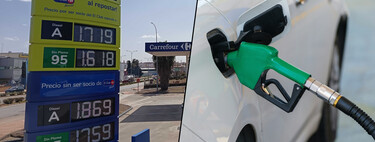
As we approach Easter, many are recalibrating their budgets due to the fluctuating costs of gasoline and diesel. After a month marked by geopolitical tensions—particularly the conflict involving the U.S., Israel, and Iran—the closure of the Strait of Hormuz has resulted in skyrocketing oil prices. While recent VAT reductions have offered temporary relief, gasoline now sits at an average of 1.562 euros/liter, and diesel at 1.773 euros/liter, making fuel prices a crucial factor in our travel plans.
Tied to Fuel Prices
The significant difference in prices between gasoline and diesel creates an unprecedented scenario. With the ongoing strain on supply chains, particularly influenced by the war in Ukraine and the resultant exclusion of Russian oil from the market, diesel prices have surged. This situation highlights Europe’s increasing dependence on diesel, which accounts for over 57% of the car fleet in Spain according to Anfac.
A Shift in Perspective: The Rise of Electric Cars
This growing dependency is pushing many to reconsider their options and explore electric vehicles (EVs) as a cost-effective alternative. With diesel costs now reaching heights unimagined previously, the already established savings associated with electric vehicles have become even more significant.
Costs of Traditional Fuel vs. Electric Power
To provide a clearer picture, let’s break down the costs associated with fuel consumption. For instance, using diesel at 1.773 euros/liter, a vehicle that consumes 5 liters per 100 kilometers racks up a cost of 8.86 euros for that distance. A gasoline vehicle using 7 liters at 1.562 euros/liter would cost about 10.93 euros for the same trip.
In contrast, an electric vehicle consuming 20 kWh per 100 kilometers presents a markedly lower expense:
- Domestic rate (10 cents/kWh): 2 euros/100 km
- DC charging up to 50 kW (20 cents/kWh): 4 euros/100 km
- DC charging up to 150 kW (30-45 cents/kWh): 6-9 euros/100 km
This dramatic difference in operating costs illustrates the potential savings of driving electric.
Real-World Application: An Example Trip
Consider a journey of 2,000 kilometers during the Easter holiday. With an electric vehicle offering a range of 400 kilometers, you might stop to recharge several times. Let’s assume that your vehicle consumes 20 kWh/100 kilometers and has an 80 kWh battery.
Expense Breakdown:
- First charge on the way to 80% (56 kWh at 0.60 euros/kWh): 33.60 euros
- First charge at destination to 100%: 14.40 euros
- Subsequent charges at the destination: 16 euros
- Third charge back on the way: 33.60 euros
- Domestic charging at home: 6.40 euros
Totaling the expenses, the overall cost for this trip would come to approximately 126.40 euros, averaging 6.32 euros for every 100 kilometers traveled.
Comparing to Traditional Fuels
For a clearer financial outlook, let’s compare this to traditional fuel consumption:
- Diesel vehicle for 2,000 kilometers: 177.30 euros
- Gasoline vehicle for the same trip: 218.68 euros
This stark comparison demonstrates the financial edge that electric vehicles hold, particularly as fuel prices remain volatile.
Conclusion: The Future of Transportation
Given these calculations, electric cars emerge as the more economical choice, especially when charged at lower rates. Drivers can save up to 100 euros compared to gasoline vehicles, and even when considering higher external charging costs, electric cars remain cost-effective.
As we navigate through rising fuel prices, considering an electric vehicle isn’t just an eco-friendly decision—it’s also a financially savvy one.