
Hashima Island: The Car-Free City Built for Coal Mining
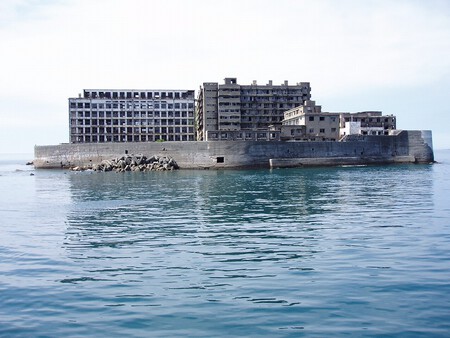
About 15 kilometers off the coast of Nagasaki, Japan, lies Hashima Island, ominously nicknamed “Gunkanjima” or “Battleship Island.” This unique location, characterized by its concrete ruins and retaining walls, is not just a haunting playground for thrill-seekers; it encapsulates a dark yet fascinating chapter of Japan’s industrial history.
The Birth of a Coal Mining Island
First detected in 1810, coal was discovered beneath the seabed of Hashima. However, systematic exploitation began only in 1887 after Mitsubishi Goshi Kaisha acquired the island in 1890, establishing underwater mines. Mining coal was challenging, as workers labored in tunnels reaching depths of up to 1 kilometer, enduring sweltering temperatures and high humidity. From 1891 until 1974, Hashima produced approximately 15.7 million tons of coal, carving its place into Japan’s industrial narrative.
A Building Boom
To optimize operations, Mitsubishi decided to create an entire city on the island, eliminating the costly daily commute from Nagasaki. By 1916, the company erected Japan’s first large-scale concrete building, designed to withstand the typhoons that frequently battered the island each autumn.
A Compressed Urban Landscape
Hashima is remarkably small, measuring only 480 meters long and 160 meters wide. Nevertheless, at its peak in 1959, the island was home to 5,259 people—making it one of the most densely populated places on Earth at that time. The mini-metropolis featured apartments, schools, a hospital, shops, public baths, and even a cinema. Notably, with no room for cars, the island’s design was inherently walkable, reflecting the unique challenges of its geographical constraints.
The Dark History of Forced Labor
However, the opulent history concealed a grim narrative. From the 1930s through World War II, Mitsubishi exploited forced labor, with Korean conscripted civilians and Chinese prisoners facing extreme conditions. Estimates suggest that around 1,000 Koreans were brought to Hashima during this period, with death toll estimates ranging from 137 to over 1,300, highlighting the brutal realities of the island’s dark past.
The Fall from Grace
As oil began to replace coal as Japan’s primary energy source in the 1960s, Hashima’s coal mines closed in January 1974. The exodus of residents on April 20 of that year was swift. Many left personal belongings, resulting in the once-thriving city rapidly transforming into a ghost island. For three decades, Hashima lay abandoned, succumbing to the ravages of nature.
Revival through Cinema and Recognition
In 2002, Hashima captured global attention when filmmaker Thomas Nordanstad documented its haunting beauty. The island gained further notoriety when it appeared in the 2012 James Bond film Skyfall, although safety concerns prompted the production team to recreate the settings elsewhere.
In 2015, Hashima was declared a UNESCO World Heritage Site; however, this honor has been met with diplomatic tension over Japan’s reluctance to fully acknowledge its history of forced labor. Ongoing debates have left many questioning how this history is remembered.
A Tourist Destination with a Cautionary Tale
Today, Hashima can be visited through organized tours, though only a strict 5% is accessible for safety reasons. The mix of desolation and history makes it a striking tourist attraction, serving as a poignant reminder of both human ingenuity and the moral complexities of industrial progress.
Through its unique narrative, Hashima Island continues to fascinate and provoke thought—a testament to the intertwined legacies of innovation, exploitation, and nature’s reclamation.