
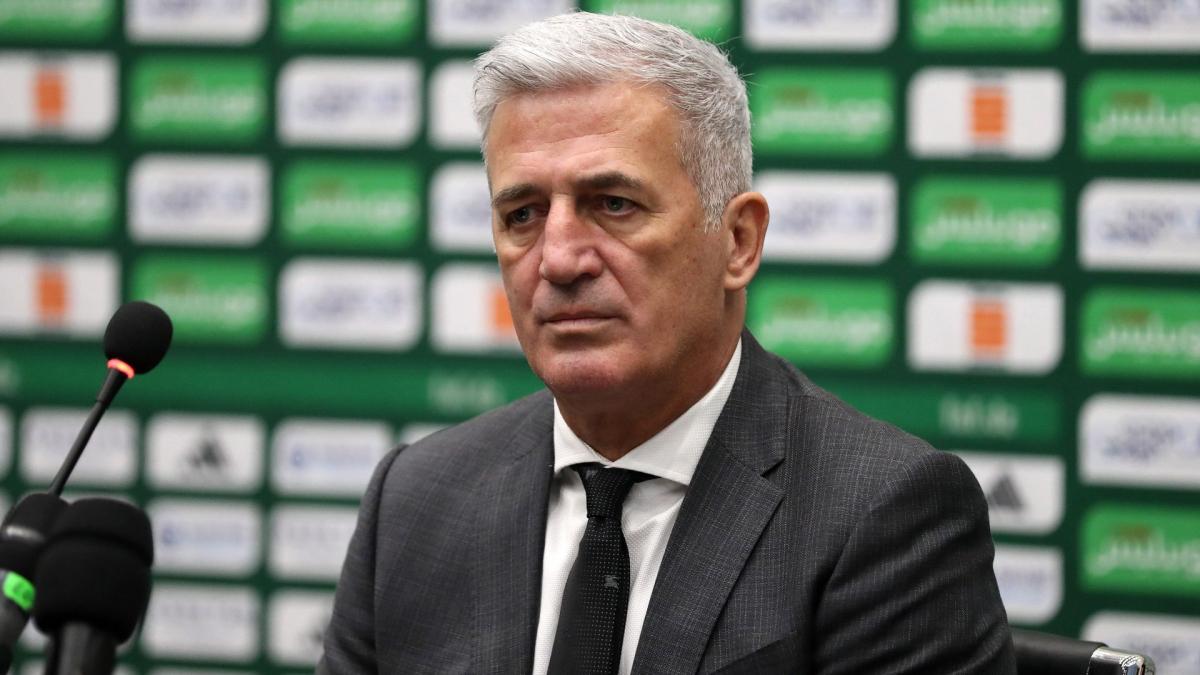
## Petkovic’s Contract Controversy with Algeria
The situation surrounding Vladimir Petkovic, the coach of Algeria’s national football team, has taken a tumultuous turn. Just days before the onset of the 2026 World Cup, the Algerian Football Federation (FAF) announced a surprise contract extension for Petkovic until 2028. Initially viewed as a measure for stability, this decision has sparked significant controversy and skepticism.
### World Cup Disappointment
Algeria faced an early exit from the 2026 World Cup, eliminated in the round of 16 by Switzerland with a 0-2 defeat. The team’s performance was far from impressive, as defensive vulnerabilities were glaringly evident. Key players like Luca Zidane, alongside other goalkeepers, failed to deliver promising results, leaving fans and analysts questioning the progress of the team under Petkovic’s guidance since he took the helm in 2024.
### The Decision to Dismiss Petkovic
In light of Algeria’s underwhelming performance, FAF ultimately decided to take drastic action to dismiss Petkovic. However, this decision has not come without complications. The Swiss coach, aged 62, stands firm that he will not part ways with the federation without obtaining a significant financial settlement. Reports indicate that the cost of terminating Petkovic’s contract could soar to approximately €5 million, a hefty sum that he is unabashedly insisting on receiving.
### The Discord Clause
The situation is further complicated by a clause in Petkovic’s contract. According to the FAF, there is an amicable separation clause that stipulates a modest payment of two months’ salary—equivalent to around €320,000. This figure is substantially lower than the €5 million that Petkovic claims is owed to him, leaving room for dispute between the two parties. Petkovic has expressed his disagreement with the FAF’s interpretation of the contract and has hinted at taking the matter to FIFA for resolution.
### The Implications of a Complicated Separation
This ongoing dispute will inevitably delay the appointment of a new head coach for the Fennecs, as both sides remain entrenched in their positions. With the severity of the financial stakes involved, and the looming World Cup qualifying matches ahead, the FAF faces immense pressure to resolve this matter expeditiously.
In conclusion, as the future of both Petkovic and the Algerian national team hangs in the balance, the federation must navigate this precarious situation carefully. The need for a swift decision is more critical now than ever, not only for team stability but also for restoring confidence among fans who are eager to see their team bounce back from recent disappointments.