
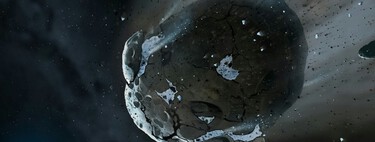
The Fascinating Discoveries from Ryugu: A Genetic Puzzle
When the Japanese Hayabusa2 probe descended onto the Australian desert in December 2020, the scientists were acutely aware that the small capsule it released held significant value. Containing mere grams of dark dust from the Ryugu asteroid, these samples have become critical in supporting theories regarding the origins of life: specifically, that life’s building blocks may have arrived from space.
Unlocking Prebiotic Chemistry
Notably, this is not the first time the Ryugu samples have surprised researchers. Earlier analyses from 2023 unveiled the presence of uracil—a vital component of human RNA—as well as vitamin B3. In a recent study published in Nature Astronomy, scientists have identified the “holy grail” of prebiotic chemistry. Ryugu’s samples include all five canonical nucleobases essential for forming DNA and RNA: adenine, guanine, cytosine, thymine, and uracil. These five “letters” serve as the basis for our complex genetic codes.
How the Discovery Was Made
A collaborative team led by various Japanese institutions has successfully isolated these critical genetic components utilizing advanced chromatography and mass spectrometry techniques. Remarkably, the samples revealed that these five nucleobases exist in balanced ratios, contrasting with other celestial bodies previously examined.
Understanding the Genetic Code
To fully appreciate the significance of this discovery, it’s important to revisit high school biology. Our genetic code comprises two main types of molecules: purines (adenine and guanine) and pyrimidines (cytosine, thymine, and uracil). Previous analyses of meteorites, including the renowned Murchison meteorite and samples from asteroid Bennu, demonstrated an imbalance in these components. However, the balanced presence of nucleobases in Ryugu has prompted researchers to suggest a novel molecular indicator to understand how these genetic building blocks may have formed non-biologically in space.
Contamination Concerns
A natural suspicion may arise: could contamination from Earth explain the presence of these nucleobases? Typically, when analyzing meteorites that have landed on our planet, earthly contamination is a valid concern. However, the Hayabusa2 mission mitigates this risk by collecting samples directly from the pristine environment of the asteroid and returning them in a sealed capsule. The Japanese Agency for Marine-Earth Science and Technology (JAMSTEC) has conducted rigorous testing under controlled conditions, confirming that these nucleobases possess an origin that is unequivocally extraterrestrial.
The Importance of These Findings
While this groundbreaking discovery does not assert that life exists on Ryugu, it reinforces the notion that the asteroid serves as a “time capsule,” replete with the chemical makeup of our early solar system. The Earth was an inhospitable realm billions of years ago, and the theory of panspermia posits that carbon-rich asteroids like Ryugu acted as “cosmic taxis,” delivering essential molecular constituents that could lead to the emergence of life.
Conclusion
The findings from Ryugu not only illuminate the potential pathways through which life may have originated on Earth but also expand our understanding of the chemical inventory of the cosmos. As research continues, we are reminded that the mysteries of our existence may lie in the most unexpected places.