
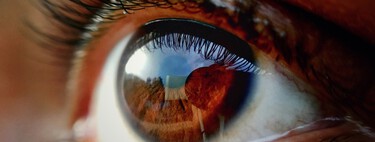
The Role of Light in Myopia Development
For years, the narrative around myopia has revolved primarily around excessive screen time and close-up reading. Traditionally, we pointed fingers at “close work” as the primary culprit behind the growing myopia epidemic. However, a significant new study urges us to reconsider this viewpoint, highlighting the importance of light exposure in the development of this condition.
New Findings: The Light Deprivation Hypothesis
Recent research, published in the esteemed journal Cell Reports, introduces a physiological mechanism that broadens our understanding of myopia. This study presents what is known as the “light deprivation hypothesis,” suggesting that it’s not just what we look at, but how much light reaches the back of our eyes during those activities that significantly contributes to myopia.
Alarming Statistics
The implications of this study are crucial, especially given alarming statistics from Spain, which reveal that 19% of children between the ages of 5 and 7 are already myopic. Projections warn that by 2050, half of the global population could require corrective lenses. Understanding the mechanics behind this trend is essential to curtail its growth.
Famine of Light: Myopic Eyes and Dim Environments
Previous studies indicated a correlation between near vision tasks and the onset of myopia. However, this latest research meticulously measures how myopic eyes respond in contrast to healthy ones. Researchers discovered that individuals with myopia experience excessive accommodative pupillary constriction. This means that when they focus closely, their pupils constrict significantly more than those of individuals with normal vision.
Indoors, where light levels are typically around 500 lux, this significant pupil contraction combined with inadequate lighting creates what researchers describe as a “lethal cocktail” for the retina. The result? The retina can “starve” due to insufficient light.
The Biological Mechanism: How Lack of Light Causes Myopia
Understanding why this light deficiency results in abnormal eye growth is rooted in neuroscience. Our retinas process images through two primary channels: the ON pathway, activated by increased light, and the OFF pathway, responding to shadows. Prior research has indicated that myopic patients exhibit serious deficits in the ON pathways, which are slower and less sensitive.
The study proposes that as individuals engage in close tasks, the excessive pupil constriction leads to a chronic deficiency of light stimulation to the retina. This maladjustment disrupts normal signaling, contributing to elongation of the eyeball, a defining characteristic of myopia.
Treatments and Strategies Moving Forward
The implications of this research are twofold. On one hand, it provides a biological understanding of myopia; on the other, it validates treatments that eye care professionals have been employing. For instance, spending time outdoors can mitigate myopia progression, not necessarily as a cure but because outdoor light is drastically more intense, effectively activating the ON pathway and preventing further elongation of the eye.
Additionally, treatments such as atropine drops, which help widen the pupil for enhanced light entry, and multifocal lenses that reduce accommodation strain, demonstrate strategies used to counteract the effects of myopia.
The Road Ahead: More Research Required
While these findings provide a compelling physiological framework, they do not conclusively establish a direct relationship between light deprivation and myopia. Further long-term studies are essential to verify this hypothesis fully.
Conclusion: Light Awareness is Key
The takeaway from this research changes the conversation about myopia entirely. It’s no longer just about limiting screen time or close reading—adequate light exposure is crucial. For anyone engaging in close visual tasks, ensuring proper lighting is essential, alongside regular outdoor activities to bolster eye health and mitigate the risk of developing myopia.
Ultimately, as we wait for additional findings, the message is clear: prioritize light in our daily routines to safeguard our eyesight.