
Christmas Competitions in Spain and Beyond
Christmas is more than a season of joy; it has become a burgeoning economic engine, especially for cities aiming to attract tourists during the traditionally slow winter months. The festive season has fueled increasingly competitive rivalries among towns, particularly in Spain, where councils strive to outdo each other with dazzling displays of lights, towering Christmas trees, and eye-catching decorations.
Vigo: The Pioneering City
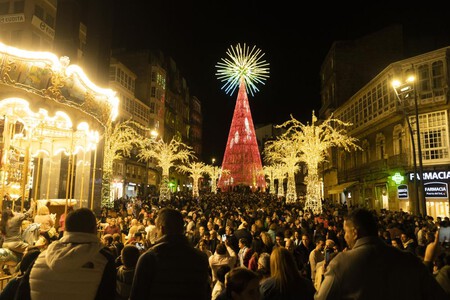
Vigo stands as a prime example of this festive arms race. Known for its astonishing Christmas displays, the Galician city has taken on other prominent cities like Madrid and Badalona in this competition. But the stakes have risen as northern Portugal has entered the fray, presenting itself as a formidable contender.
The Extravaganza Begins Early
Christmas in November? It’s not just an idea; it’s a reality in Vigo, where preparations begin in July. This year, Vigo plans to showcase an impressive 12 million LED lights spread across 460 neighborhoods. This massive effort, while extravagant, serves a strategic purpose: attracting visitors and generating revenue. The city’s Christmas lights display is not just attractive; it also comes with a hefty budget, reflecting its economic significance.
Enlarging the Christmas Pie
Various Spanish cities, including Madrid, Badalona, and Malaga, are in relentless pursuit of promotional glory. These cities engage in a friendly rivalry, challenging each other to create more spectacular scenes every year. Their collective goal is clear: to be recognized as the premier Christmas destination in Spain.
Attracting Tourists
Tourism has become a significant consideration for municipalities, as extravagant decorations act as vital hooks for winter visitors. In December 2012, before the lights boom, Vigo saw just 33,600 overnight stays. By 2022, that number climbed to over 100,000, showcasing the economic effectiveness of these festive initiatives.
Mayor Abel Caballero asserts that Christmas in Vigo draws approximately 6.3 million visitors, generating over 800 million euros in economic return. Such statistics underline the bustling economic activity generated during this festive season.
The Race for Early Lights
City leaders are not only striving to embellish their displays but also racing to turn on their Christmas lights earlier than the competition. With Estepa premiering its lights on November 7, Vigo aims to kick off its festivities officially on November 15. In contrast, major cities like Madrid and Barcelona will wait until later in November.
Northern Portugal Enters the Game
Interestingly, the most significant challenge for Vigo might not come from its Spanish counterparts but from neighboring Portugal. Cities like Valongo and Viana do Castelo are enhancing their Christmas celebrations, opening their lights earlier and showcasing larger trees than Vigo’s 45-meter structure. Valongo has unveiled a staggering 55-meter tree, marking its ambition to draw in visitors.
A Target Audience
Many of Vigo’s Christmas visitors hail from Portugal. In December, buses ferry tourists from the neighboring country, eager to soak in the festive atmosphere. Vigo even claims to be the preferred Christmas destination for Portuguese travelers, surpassing renowned cities like Madrid and Barcelona.
Future Prospects
The commitment from northern Portugal signifies a new chapter in the regional Christmas competition. As towns vie for the attention and dollars of tourists, the festive season will likely evolve further, blending tradition with economic strategy. Whether it’s elaborate lights or charming markets, the Christmas landscape is set to expand on both sides of the Miño River.