
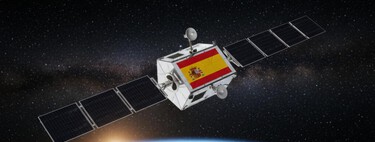
A New Player in the Satellite Arena: Sateliot
The satellite space race is evolving, and new contenders like Sateliot are stepping into the fray. Unlike Starlink, which primarily uses 4G technology, Sateliot is pioneering 5G connectivity from space. This Spanish company aims to provide 5G access not just for Internet of Things (IoT) devices but also for conventional mobile phones, putting it ahead of American rivals in a crucial technological domain.
The Significance of Sateliot’s Achievement
This innovative milestone has garnered the attention of both the Spanish and European governments. Sateliot’s advancements signify a potential shift towards greater technological sovereignty in Europe, where Starlink dominates over 90% of global satellite launches. In a competitive landscape, every step forward by Sateliot is applauded as a notable victory.
Europe’s First 5G Satellite Development Center
Sateliot has recently inaugurated Europe’s first 5G satellite development center in Barcelona. This cutting-edge facility employs over 100 professionals and houses advanced laboratories, control rooms, and clean rooms. During a visit, Xataka uncovered the company’s ambitious plans to expand its technological footprint further.
Triton: The Next Generation of Sateliot Satellites
Since 2018, Sateliot has successfully launched six satellites, with plans to introduce five more next year. Their next-generation satellites, known as Triton, stand at approximately four meters long and weigh 150 kilograms. The Triton satellites are poised to revolutionize connectivity by offering not just IoT support but also enabling data, voice, and video services for mainstream 5G mobile phones, all without the need for any hardware modifications.
The investment in Triton comes with a price tag ten times higher than the company’s first-generation satellites but offers significantly enhanced capabilities. It focuses on industry applications rather than consumer coverage, serving sectors such as maritime, energy, and public safety.
Future Launches and Goals
The inaugural Triton satellite is expected to launch in the first quarter of 2027. Interestingly, this timeline coincides with Starlink’s planned upgrade to 5G capabilities. Sateliot has secured authorization for 500 satellites from the International Telecommunication Union (ITU), aiming to have a substantial orbital presence before 2030.
Strengthening Barcelona’s Aerospace Sector
Jaume Sanpera, CEO of Sateliot, emphasizes that their satellites are 100% made in Barcelona, showcasing local manufacturing prowess. With plans to expand their workforce to over 200 employees—primarily engineers—Sateliot aims to establish a central hub for aerospace technology in the city.
This endeavor has attracted attention from investors as the company has already signed contracts worth 285 million euros annually, offering satellite services in 58 countries. Overall, they are on track to connect around 10 million devices that currently lack reliable coverage.
Challenges Ahead
Despite ambitious goals, Sateliot faces significant challenges. Currently, there is a considerable gap between the number of satellites in orbit; Starlink operates over 8,000 satellites. With only a few launches to date, Sateliot’s timing is critical as they aim to meet their deadlines and increase their satellite fleet.
Industrial espionage in the sector further complicates matters, but Sateliot is confident in its innovative capacity, having applied for 30 patents and focusing on satellite technology that is modern and compatible with existing telecommunications infrastructure.
The Road Ahead
Sateliot’s journey marks an exhilarating chapter in the satellite race, combining local innovation with cutting-edge technology. Their success could reshape satellite connectivity in Europe and potentially challenge established players like Starlink in the future.