

The rise of chatbots in recent years, particularly ChatGPT , has raised concerns regarding their impact on mental health . This summer, a marriage made headlines when they sued OpenAI after their teenage son tragically took his own life. In the wake of this profound loss, the company announced a series of protective measures, including the introduction of parental controls specifically designed to safeguard young users.
The Response to the Mental Health Crisis
Numerous alarming accounts have surfaced, detailing individuals who have experienced significant psychological distress after interacting with ChatGPT. Terms like ” psychosis by AI ” have begun to circulate on social media, although it’s crucial to note that this is not an officially recognized diagnostic label. Following the tragic case of Adam Raine , who took his own life amid a reported conversation with ChatGPT, OpenAI’s response was deemed inadequate by many. The company’s initial statement offered little comfort, and it became clear that the image crisis was deeply concerning .
Earlier this month, OpenAI confirmed that they would integrate new safeguards into ChatGPT, and just yesterday, the awaited parental control feature was officially launched. This functionality is now available to all users, regardless of whether they subscribe to the free or premium version, marking a significant step towards greater accountability in technology usage.
How Parental Control in ChatGPT Works
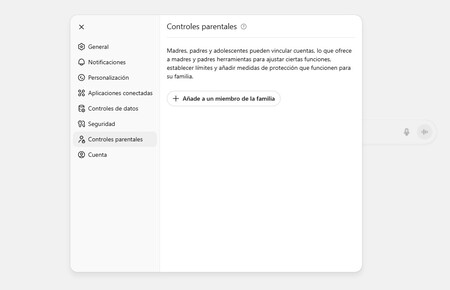
Parental control options visible in ChatGPT settings.
The parental control feature in ChatGPT enables parents or guardians to establish a connection with their teenager’s account. Once linked, adults can customize various settings, including usage time limits, disabling voice mode, turning off memory functions, restricting image generation, and filtering sensitive content.
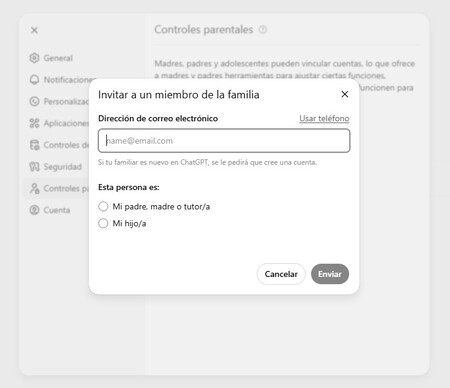
To activate ChatGPT’s parental controls, users must access the configuration section by clicking on their profile picture and selecting the option for ‘ Parental controls ‘. This will open a window where users can invite others to join their family group and assign specific roles to those individuals.
One of the standout features is the notification system. When ChatGPT detects any indications of possible self-harm or dangerous behavior, it will actively notify the adolescent. Previously, the chatbot merely suggested users contact a suicide prevention hotline , a caution that Adam Raine sidestepped by framing his situation as a fictional narrative he wished to create. Now, by including parents in conversations when warnings arise, more assertive measures can be implemented.
However, a significant challenge remains : children may create secondary accounts without parental oversight. OpenAI is also working on an age prediction feature to verify whether a user is a teenager, thus activating the corresponding protective options.
Ultimately, while these measures are steps in the right direction, they also highlight the urgent need for responsible AI use, especially among young users who may be more vulnerable to the technology’s adverse effects. As we continue to integrate AI into our daily lives, prioritizing mental health and the safety of users must remain a critical focus.