
The Growing Trend of Mouth Taping: Understanding the Risks and Alternatives
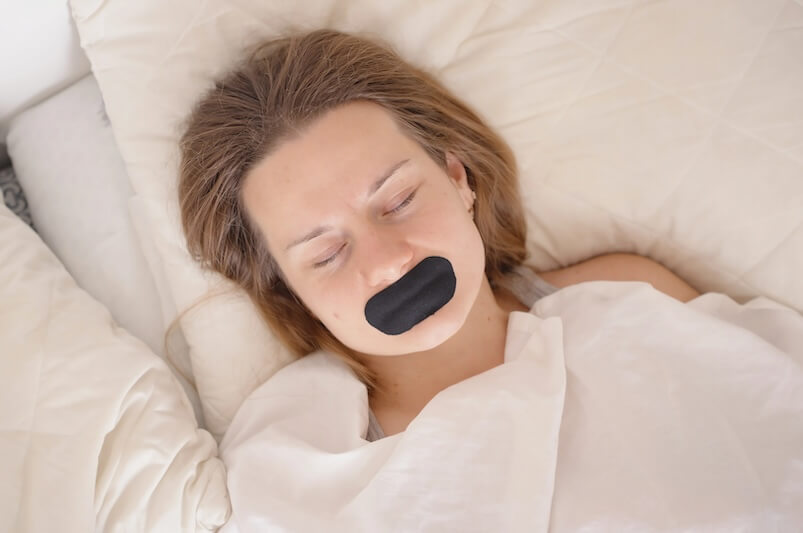
In recent months, the practice of mouth taping has gained significant popularity on social media platforms like TikTok, where videos showcasing individuals applying tape over their lips before bedtime have garnered hundreds of millions of views. The proposed benefits of this unconventional practice include improving nasal breathing, enhancing sleep quality, and potentially even optimizing cognitive and athletic performance. However, these claims lack solid scientific backing and could pose serious health risks.
The Allure of Mouth Taping
The main goal behind mouth taping is to encourage nasal breathing while sleeping. Proponents suggest that this technique can reduce snoring and improve overall sleep quality. Inspired by certain yogic breathing practices and modified versions of the Buteyko method, mouth taping has found a fertile ground among TikTok users. However, many individuals remain unaware of the possible dangers this practice entails.
According to Dr. Marc Rey, a neurologist and president of the National Institute of Sleep and Vigilance, there is "no robust scientific evidence" to support the benefits of mouth taping for sleep. He warns that this practice can lead to serious breathing issues for some people. Blocking the mouth—which serves as an alternative airway—can result in improper oxygenation, hindering sleep, and, in extreme cases, leading to nocturnal asphyxiation.
The Risks of Mouth Taping
Asphyxiation and Respiratory Issues
The primary danger of mouth taping lies in the blockage of the mouth’s airway. If a person experiences nasal congestion, even partially, this can lead to feelings of suffocation during sleep, increasing the risk of hypoxia (low oxygen levels in the blood). This phenomenon is especially dangerous for children, the elderly, and individuals suffering from sleep apnea or other undiscovered ENT disorders.
The French Society of Sleep Research and Medicine emphasizes that "breathing must occur freely through the nose or mouth." Blocking one of these pathways can initiate physiological stress, ultimately compromising sleep quality rather than improving it.
Skin and Mucosal Reactions
Mouth taping every night can also lead to dermatological issues. This practice may cause skin irritations, allergic reactions to adhesives, and potential issues such as chapped lips or minor injuries to the mouth’s mucosal tissue.
Furthermore, many tapes marketed as “anti-snoring strips” are not medically regulated. Their composition can be unclear and may contain irritating substances. The lack of regulation increases the risks tied to improper product use.
The Quest for Perfect Sleep: A Potentially Dangerous Obsession
The trend of mouth taping reflects a broader obsession with enhancing sleep quality, often fueled by social media influencers advocating for rigorous sleep routines aimed at peak performance. This has cultivated a mindset wherein sleep is no longer a natural need, but an endeavor that must be "optimized," often disregarding medical advice.
Contrary to popular belief, issues such as snoring, frequent nighttime awakenings, and chronic fatigue deserve proper diagnosis rather than a roll of tape. Sleep experts recommend a comprehensive approach that includes an ENT evaluation, lifestyle modifications, and in severe cases, polysomnography (sleep study).
Dr. Alain Didier, a pulmonologist based in Toulouse, cautions, “Many who adopt mouth taping have never consulted a sleep specialist. This is a mistake because what appears to be snoring can sometimes indicate a serious condition like obstructive sleep apnea.”
Validated Alternatives for Better Sleep
Natural Nasal Breathing
While nasal breathing has many benefits, including humidification of air and enhanced oxygenation, forcing it through mouth taping is neither necessary nor advisable.
To promote nasal breathing, physicians recommend using natural solutions such as nasal saline irrigation, ensuring proper humidity levels, and treating allergies or any deviations in the nasal septum. These straightforward and effective measures should be discussed with a healthcare professional.
Healthy Sleep Hygiene Practices
Instead of resorting to dubious trends, experts advocate for healthy sleep hygiene. This includes maintaining regular sleep schedules, exposing oneself to natural light during the day, engaging in moderate physical activity, reducing screen time before bed, and ensuring a tranquil and comfortably temperate sleep environment.
These recommendations are backed by the National Institute of Sleep and Vigilance and incorporate decades of clinical research. Unlike mouth taping, they pose no dangers and genuinely enhance sleep quality.
Conclusion
In summary, mouth taping serves as another illustration of the potential pitfalls associated with health trends circulating on social media. Promoted without scientific substantiation, this practice is far from benign and can even be hazardous. Before experimenting with any methods seen online, it is crucial to consult reliable medical sources and seek professional healthcare advice.