
The Surge of Mpox Cases in Sierra Leone: Understanding the Crisis
Introduction
The recent surge in mpox cases in Sierra Leone has raised significant concerns about public health in the region. This viral infection, previously known as monkeypox, has reached alarming proportions, with the Ministry of Health reporting 3,011 cases as of May 23, 2024. The implications of this outbreak extend beyond the immediate health concerns, touching on aspects such as healthcare infrastructure, public awareness, and international cooperation.
The Current Situation
With the confirmed cases rising, Sierra Leone is experiencing a public health crisis. The number of fatalities has also increased, with 14 deaths attributed to the virus. Health authorities initially reported 11 deaths and 2,045 cases by mid-May, illustrating the rapid escalation of the situation.
Government Response
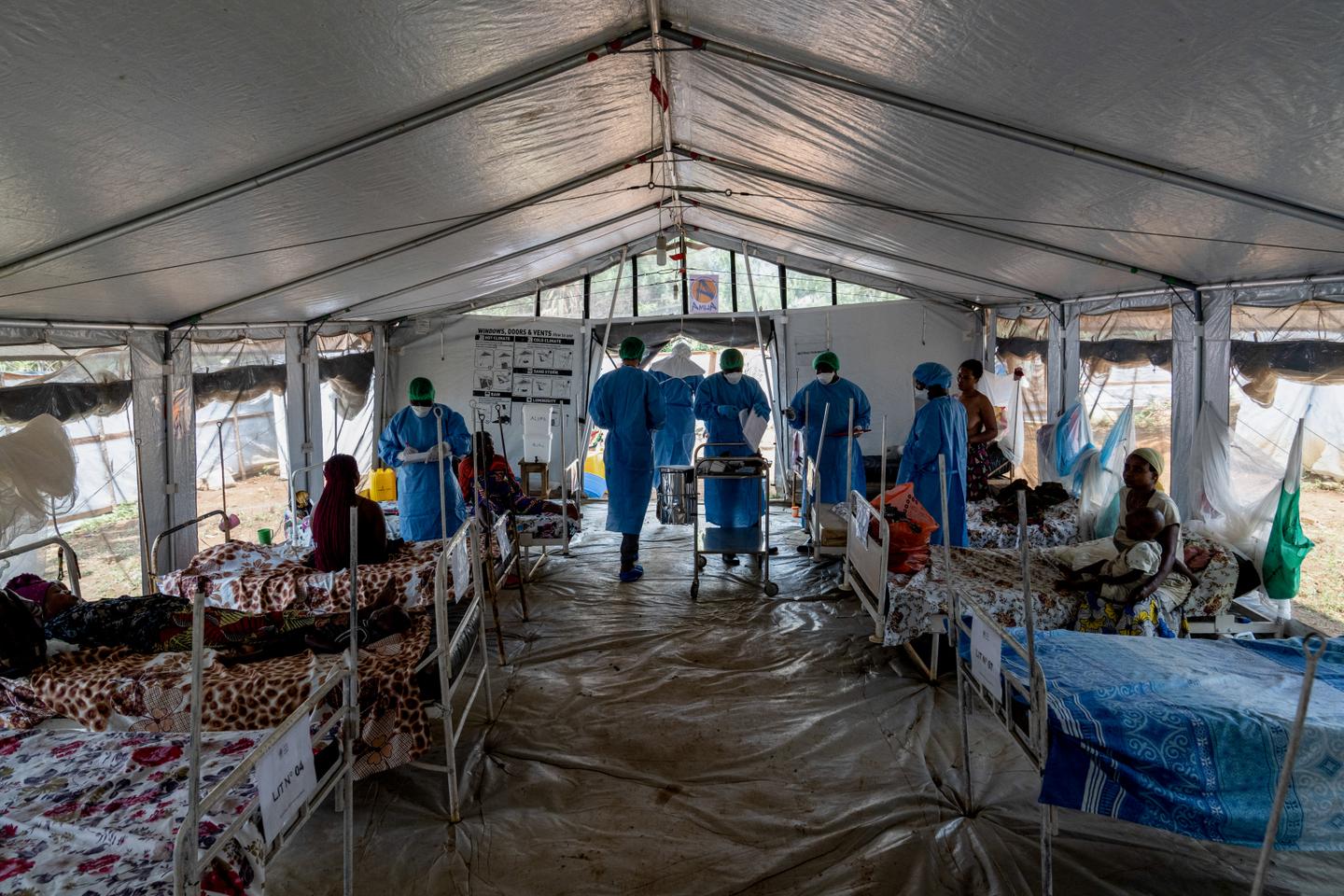
In light of this outbreak, the government has made significant strides to enhance patient care. They have opened six treatment centers in the capital city, Freetown, to accommodate the rising number of infected individuals. Additionally, the World Health Organization (WHO) has collaborated with local health ministries to supply critical protective equipment, including masks, gloves, and boots for health workers.
Expanding Healthcare Facilities
Additional Beds
Dr. Mustapha Jalloh, the head of the nation’s response to mpox, confirmed that 400 additional beds have been established in a repurposed police training center in Freetown. This initiative aims to provide care for patients needing treatment, reflecting the government’s proactive approach in crisis management. Furthermore, 50 beds funded by Médecins Sans Frontières have been set up in Calaba Town, a disadvantaged suburb of Freetown.
Treatment Centers
The establishment of new treatment centers is not merely a logistical response but a necessary step to prevent overwhelming existing healthcare facilities. These steps in health infrastructure development are critical in ensuring that there is adequate capacity and resources to handle the demands of the outbreak.
Understanding Mpox
Health Implications
Mpox is caused by a virus closely related to the smallpox virus. Symptoms primarily include high fever and the development of skin lesions commonly referred to as vesicles. The disease was first identified in the Democratic Republic of the Congo in 1970 and remained localized primarily in a few African countries. However, since 2022, the virus has begun to spread globally, even penetrating developed countries where it had previously been absent.
Mortality and Transmission
Sierra Leone’s health officials have been working diligently to combat the spread of the disease. Transmission typically occurs through direct contact with infected bodily fluids or lesions, making healthcare settings particularly at risk amid an outbreak.
The Role of International Organizations
WHO’s Involvement
The WHO has played an instrumental role in the response to the mpox outbreak in Sierra Leone. In addition to providing protective equipment, they offer technical guidance and support in establishing treatment centers. Their involvement highlights the importance of global health cooperation in addressing epidemics.
Public Awareness and Education
The significance of public awareness cannot be overstated in a health crisis such as this. Educational campaigns need to be launched to inform communities about mpox transmission, symptoms, and prevention methods. Understanding the virus can empower individuals to take appropriate precautions, thereby reducing the risk of further outbreaks.
Community Engagement
Community leaders and health workers are pivotal in disseminating information about mpox. Engaging with the public through workshops, seminars, and informational sessions can help demystify the disease and build trust in healthcare responses.
Challenges Ahead
Stigma and Misinformation
Despite efforts to combat mpox, stigma associated with the disease can pose a significant barrier to treatment. Misinformation, particularly in rural areas, can lead to fear and reluctance to seek medical help. Combatting these attitudes is essential for ensuring that individuals seek care in a timely manner.
Resource Allocation
The allocation of resources remains a challenge as the outbreak persists. Continuous investments in healthcare infrastructure and personnel are vital for maintaining an effective response to mpox and preventing a resurgence.
Conclusion
In conclusion, Sierra Leone faces a formidable challenge in addressing the mpox outbreak. The government, in collaboration with international organizations, is taking commendable steps to mitigate the crisis. However, effective communication, public education, and resource allocation are crucial in controlling the spread of the virus and ensuring that the healthcare system remains robust in the face of this public health threat.
Visual Context

The reported number of mpox cases in Sierra Leone since the beginning of the year has reached 3,011, including 14 deaths caused by the virus, according to a report published on May 23 by the Sierra Leone Ministry of Health.
In mid-May, the health authorities of this West African country reported 11 deaths and 2,045 cases. All 16 districts of Sierra Leone now report mpox cases, according to the authorities, who announced they have increased their capacity to accommodate patients by creating several hundred additional beds.