
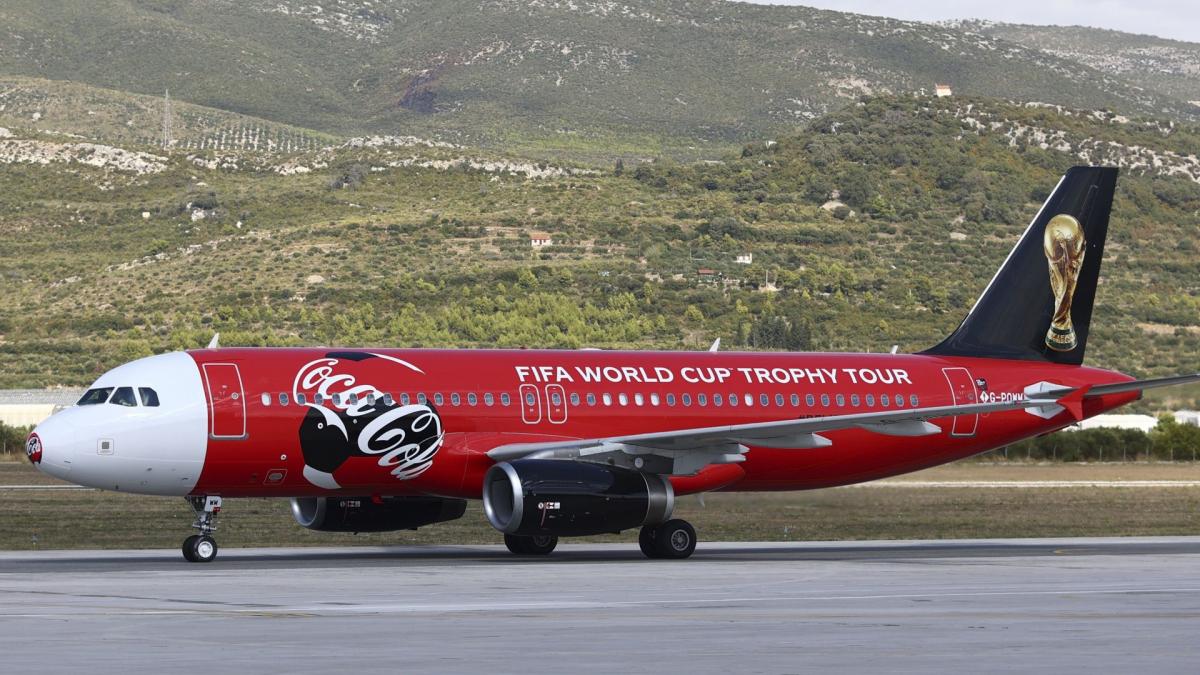
## The New Challenges of the 2026 World Cup
Football often spins enthralling tales of tactics, talent, and mentality. However, the impending 2026 World Cup has unveiled a drama that unfolded far from the pitch. Less than 24 hours before Uruguay was set to face Saudi Arabia, the team found itself grounded in Mexico due to an administrative error concerning the aircraft destined to transport them to Miami. This unforeseen hitch highlights the vulnerabilities associated with an unprecedented World Cup format spanning three nations.
### Logistical Nightmares: The Uruguayan Incident
Uruguay’s predicament is a testament to the substantial layers of complexity surrounding travel logistics for this World Cup. The aircraft assigned to transfer the team was deemed unauthorized under the current circumstances, forcing head coach Marcelo Bielsa’s men to wait for an alternate flight. This disruption not only unsettled the team’s pre-match preparations but also posed a risk to media commitments. Such incidents, previously brushed off as minor inconveniences, now expose a fundamental flaw in the organization of the tournament, where administrative failures can have direct repercussions on a team’s performance.
### Aerial Challenges Over Geographical Ones
The 2026 World Cup is being heralded as a geographical challenge; yet, it is primarily an aerial one. With 48 teams, countless journalists, officials, sponsors, and millions of fans travelling across North America, logistical planning becomes critical. Unlike the compact layout of the 2022 Qatar World Cup, where stadiums were primarily situated around Doha, teams will now traverse several thousand kilometers between matches.
Every journey necessitates detailed logistics—charter flights, airport slots, customs clearance, security checks, and various administrative processes dictated by the country of departure. The challenges exemplified by Uruguay indicate that errors in documentation can incapacitate a national team more severely than injuries or other traditional setbacks.
### Preemptive Measures and Their Limitations
FIFA has made attempts to mitigate these complexities through regionalized groupings aimed at minimizing travel distances. Teams have been encouraged to set up base camps close to their initial matches. However, as the knockout stages approach, travel frequency will significantly increase, putting additional strain on airport systems.
The Federal Aviation Administration (FAA) has proactively implemented plans designed to manage air traffic effectively around tournament times. Specific procedures require operators to submit flight plans 6 to 24 hours prior to departure, aiming to alleviate congestion. However, the practicality of these measures remains to be tested given the inherent unpredictability of air travel.
### Navigating Accountability in a Complex Framework
One unresolved question arises: Who is accountable in the event of travel disruptions? The Uruguay incident casts light on this. While FIFA oversees many logistical aspects, it doesn’t manage the intricacies of national regulations or the certification of aircraft. When issues occur, the blame can be diluted among airlines, local authorities, and the organizing committee, creating a quagmire of accountability that could further exacerbate the cause of delays.
### The Unseen Opponent: Bureaucratic Obstacles
As the tournament draws nearer, the question persists: What happens on match day when travel goes awry? Historically, FIFA aims to keep the matches running on schedule, even if it means forcing a delayed team to rush through recovery and preparations. However, the risk of a significant disruption looms large, with storms, airport closures, and bureaucratic issues all potential pitfalls.
The 2026 World Cup not only challenges teams to manage on-field stresses but introduces a new, invisible enemy—air travel complications. This unpredictable adversary could alter training routines and preparations, emphasizing the need for teams to adapt to an evolving landscape of challenges that extend beyond the game itself.
In summary, as we approach the kick-off, the narrative around the 2026 World Cup is not solely about football but also about the intricate web of logistics, bureaucracy, and the impact these factors could have on the tournament’s outcome.