
The Rise of Weight Loss Treatments: A New Era in Obesity Management
The battle against obesity has evolved significantly over the years. Once merely a matter of willpower and discipline, today it is viewed through the lens of medical intervention and pharmaceutical advancements. From dietary pills to advanced therapies, the landscape is shifting, and we are witnessing an era where innovative solutions are playing a crucial role in addressing this global crisis.
Understanding the Obesity Epidemic
Obesity is more than just an aesthetic concern; it is a public health crisis that affects millions worldwide. The World Health Organization (WHO) classifies obesity as an epidemic, with alarming statistics revealing that more than 650 million adults were obese in 2016. This condition is linked to numerous health problems, including heart disease, diabetes, and even certain cancers. The rise in obesity rates can be attributed to various factors, including sedentary lifestyles, poor dietary choices, and increasingly processed food options.
The Shift from Dieting to Medical Treatments
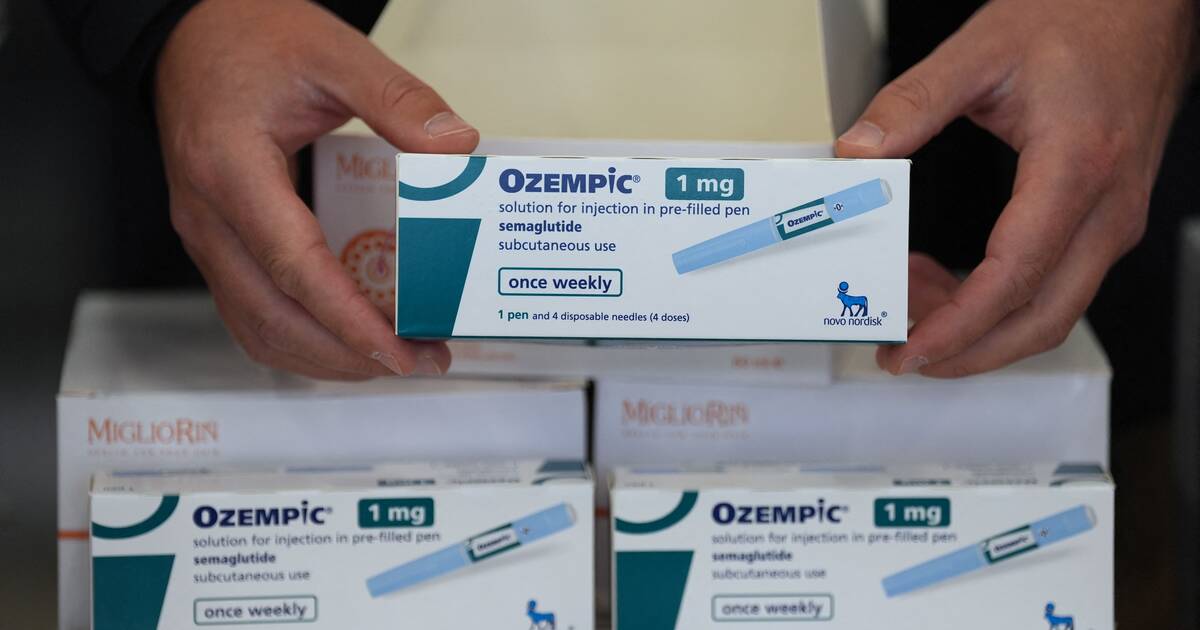
Historically, weight loss has revolved around dieting and exercise. However, with the advent of advanced medical treatments, many are reconsidering traditional methods. Treatments like Ozempic and Wegovy—which involve semaglutide, a GLP-1 receptor agonist—have gained popularity due to their efficacy in facilitating weight loss. Clinical studies have shown that these medications can lead to significant weight reduction, making them an attractive option for those struggling with obesity.
Key Benefits of Medical Weight Loss Treatments
- Rapid Results: Medical treatments often yield quicker results compared to conventional dieting methods.
- Sustainability: Many patients report finding it easier to maintain their weight loss with the help of medical interventions.
- Additional Health Benefits: Besides weight loss, these treatments can improve related health conditions like type 2 diabetes, thereby enhancing overall well-being.
Oprah Winfrey and the Revolution in Weight Loss
A key figure in highlighting the shift towards medical solutions in weight loss is Oprah Winfrey. In 2024, she hosted a special episode discussing the "revolution of weight loss," where she emphasized the importance of freedom from shame and the invitation to embrace new treatments that offer hope. Winfrey, known for her influence and reach, has played a pivotal role in breaking the stigma often associated with obesity.
The Role of Celebrity Endorsements
Celebrity endorsements can have tremendous impacts on public perception and behavior. Winfrey’s advocacy for medical treatments like Ozempic has sparked a broader conversation and acceptance of these options. However, her departure from the board of Weight Watchers raised eyebrows, indicating a potential rift within the organization regarding their approach to weight loss.
Weight Watchers and the Future of Dieting
Founded in the 1960s, Weight Watchers has long been a leader in weight loss programs focused on controlled eating habits. However, as pharmaceutical solutions gain traction, traditional programs face serious scrutiny. The company has struggled with declining stock prices and a dwindling member base as more people turn to medical interventions that promise quicker results.
The Impact on the Weight Loss Industry
The downturn of Weight Watchers is seen by many as a sign of the changing times in weight loss management. Traditional approaches are being challenged as medications prove to be more effective for some. Predictions suggest that more organizations might pivot to include medical treatments into their weight loss strategies or face the risk of obsolescence. Ultimately, the market trends present a critical question: will traditional diet plans endure, or are they on the brink of extinction?
The Broader Implications for Health and Society
As we embrace medical interventions for weight loss, it is essential to consider the broader implications for health and society. While pharmaceutical treatments offer rapid results, they also beg questions about dependence and the long-term sustainability of such approaches. Are these treatments a quick fix, or do they address the root causes of obesity effectively?
Navigating the Balance
The solution may lie in finding a balance between medical treatments and traditional weight management strategies. Encouraging nutritional education, promoting physical activity, and integrating medical interventions could create a comprehensive approach to tackling obesity. This evolved perspective could lead to long-lasting lifestyle changes rather than transitory weight loss benefits.
Conclusion
In summary, the narrative surrounding obesity is undergoing a profound transformation, with medical treatments reshaping our understanding of weight loss. Figures like Oprah Winfrey are championing this shift, lending credibility to new approaches that offer practical solutions for many struggling with weight. As weight loss programs continue to adapt, it remains to be seen how traditional methods will respond to the rise of pharmaceutical solutions in the fight against obesity.
Mars 2024. Oprah Winfrey, présentatrice star de la télévision américaine déroule une émission spéciale : une heure et demie sur la «révolution de la perte de poids». Finie la honte, place au soulagement et à la liberté grâce à un traitement miracle. L’Ozempic, l’antidiabétique qu’elle indique prendre. Mais que devient l’alimentation contrôlée que prône Weight Watchers, le leader du secteur dont elle est l’ambassadrice depuis 2015 ? Le départ de l’animatrice de son conseil d’administration, quelques mois plus tard, est assez clair. L’action de l’entreprise dévisse. Weight Watchers se place en faillite début mai 2025. Tiendrait-on l’une des raisons de la chute de l’empire des régimes qui triomphait depuis les sixties ?