
The Rising Trend of Wool Umbrellas in Ávila: A Creative Solution for Farmers
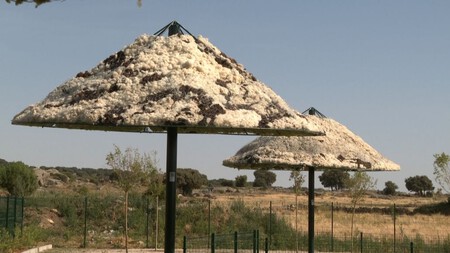
As a passionate advocate for natural fabrics, I’m drawn to wool for its aesthetic appeal, warmth, and durability. However, a strange paradox exists: while wool garments are generally pricier than synthetic options, the price of raw wool has plummeted, alarming livestock ranchers. In Martiherrero, a quaint town in Ávila with a population under 400, locals are turning this dilemma into an innovative opportunity by using sheep wool to cover the umbrellas of the municipal swimming pool.
Umbrellas Made of Wool: Sustainable Innovation
This pilot project, dubbed “Shadow of Origin,” utilizes over 160 kilograms of raw wool sourced from local farmers after careful selection and conditioning. The initiative is championed by the Martiherrero town hall and the Kerbest Foundation, showcasing a unique blend of community spirit and ecological consciousness.
Addressing Economic Challenges for Farmers
The financial burden of sheep shearing in summer exacerbates the plight of farmers. According to the Avicom Cooperative, the shearing cost is approximately €1.50 per sheep, while farmers receive a mere €0.05 per kilogram of wool from common breeds like Assaf or Churra. Given that the average yield is around 2.3 kilograms per sheep, the economics surrounding wool production become untenable.
With Spain being the EU leader in sheep population, accounting for 24% of the total, this issue is widespread. Of the 13.47 million sheep recorded in 2024, wool prices have hit historic lows since the pandemic. This ongoing devaluation has prompted discussions on “Rethinking Wool,” focusing on innovative solutions for these farmers.
Understanding the Decline in Wool Prices
The drop in wool prices can be traced to several factors, including a significant reduction in exports to China, which previously accounted for 70% of the market. The pandemic resulted in excess stock, while the ongoing COVID-related disruptions have led to market difficulties. Additionally, local outbreaks like sheep pox have further complicated this situation.
Utilizing Wool Beyond Clothing
Interestingly, despite the perception that wool is only suitable for winter apparel, it serves as an excellent thermal insulator—ideal for a range of applications, including construction materials. The thermal conductivity of wool makes it a viable option for various renewable applications, from building insulation to innovative products like umbrellas.
Challenges and the Road Ahead
While the “Shadow of Origin” initiative is commendable, its small scale highlights the broader issue. Only 160 kilograms of wool have been repurposed amidst the more than 20,000 tons produced annually in Spain. For this project to succeed on a larger scale, consistent public or private investment will be necessary.
As this innovative endeavor unfolds, it serves as a hopeful example of how agricultural communities can adapt creatively, ensuring that wool remains a valued resource while also promoting sustainability.