
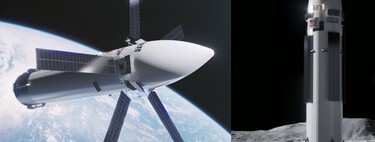
The Need for Space Gas Stations
Much of a spacecraft’s fuel is consumed during the critical maneuvers to leave Earth’s orbit. As manned missions push farther into space—destinations like Mars—it’s becoming increasingly apparent that we must establish infrastructure for refueling in orbit. Imagine space gas stations that aren’t just floating dispensers; instead, they would be sophisticated satellites or ships equipped to transfer propellant to vessels needing fuel for their journeys.
NASA’s Response: The LOXSAT Mission
Recognizing the importance of this concept, NASA is gearing up to launch LOXSAT, a mission in collaboration with Eta Space. This initiative aims to test 11 innovative technologies designed to facilitate propellant transfer in space. The successful implementation of these technologies could pave the way for the creation of space-based propellant tanks, transforming the way we approach long-distance space travel.
Duration and Objectives
LOXSAT will remain in low Earth orbit for nine months, during which it will focus on four primary objectives:
- Reducing Boiling: Finding ways to keep propellants stable.
- Improving Propellant Transfer: Streamlining the transfer process between vessels.
- Maintaining Stable Pressure: Ensuring that pressure levels do not rise dangerously.
- Measuring Propellant Levels: Developing reliable methods for gauging fuel quantities.
The Challenges of Cryogenic Propellants
When it comes to space fuel, cryogenic propellants like liquid oxygen are efficient but come with significant challenges. In microgravity, maintaining the extremely low temperatures required for these fuels is complex. As temperatures fluctuate, the fuel can boil off and turn into gas, leading to a dangerous increase in pressure that threatens the integrity of the spacecraft.
SpaceX’s Struggles
This conundrum is a major hurdle for companies like SpaceX and Blue Origin, who must prove their ability to refuel in space as part of the Artemis missions. The upcoming LOXSAT mission is crucial for developing solutions to maintain stable pressure and reduce boiling, thus easing the concerns around cryogenic fuels.
Future Space Gas Stations
The ultimate goal of LOXSAT is to refine these technologies so that we can establish fixed propellant tanks in space. As humanity makes strides in space colonization, having reliable gas stations equipped with the necessary fuel could be pivotal for sustained interplanetary exploration.
Staying Competitive: Global Perspectives
It’s worth noting that while NASA is advancing its strategies, countries like China are also making headway in space refueling technologies. For instance, during its Shijian missions, China demonstrated hydrazine replenishment at a higher orbit, putting them slightly ahead in this particular field. Although they haven’t yet ventured into cryogenic propellants, the race is on.
Upcoming Launch Date
Mark your calendars! The LOXSAT mission is scheduled for launch aboard an Electron rocket from Rocket Lab, with liftoff set for summer 2023—no earlier than July 17—from New Zealand.
As we continue to explore the cosmos, the establishment of refueling stations will be key in facilitating long-duration missions to Mars and beyond. The advancements from NASA’s LOXSAT project could very well set the stage for the future of space exploration.