
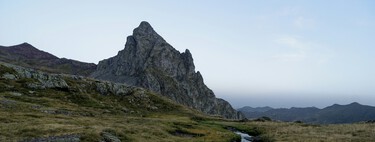
Regenerating the Pyrenees: A Summer Initiative
As summer descends upon the Aragonese Pyrenees, ski resorts close their slopes, but this period of dormancy is not wasted. Instead, it marks the beginning of vital regeneration processes designed to restore and rejuvenate the mountainous terrain that has borne the weight of countless skiers and machinery during winter. This “shock treatment” involves an innovative technique known as hydroseeding, which utilizes a concoction of water, seeds, and plant fiber to revitalize the soil.
Understanding Hydroseeding
Hydroseeding is a method aimed at restoring degraded slopes and surfaces. Combining seeds, water, fertilizer, and plant fibers, this technique is applied under pressure to enhance adhesion and promote germination, especially in steep environments. In the Aragonese Pyrenees, ski stations like Formigal-Panticosa conduct hydroseeding operations during May, June, and again in September, aligning with the warmer months that offer periods of high humidity. As Juanjo Pes, director of the station, notes, timely application is crucial: “By the time winter arrives, the seeds have already germinated. If delayed and temperatures drop, they risk freezing in the ground.”
The Significance of Vegetation Cover
Soil Stability and Erosion Control
Beyond their aesthetic appeal, vegetation covers play an essential role in stabilizing the soil. They mitigate erosion caused by melting snow and torrential rains, ensuring that ski resorts can reopen successfully each winter. Studies indicate that hydroseeding effectively controls erosion and encourages the establishment of native species compared to untreated areas.
Native Seeds for Harsh Environments
Historically, hydroseeding relied on generic commercial seed mixtures. However, a shift toward using native seeds has proven vital, particularly in high-altitude environments where local flora is better suited to the harsh climate. A study from the French Pyrenees supports this, highlighting that traditional seeds, while effective in erosion control, are not always viable in extreme mountain conditions. To counter this, Formigal collaborates with botanical conservatories to source local seeds.
Technical Details of Hydroseeding
The hydroseeding mixture comprises a binder that acts like glue, ensuring adherence even on steep slopes. While commercial seeds offer quicker growth at a lower cost, native species emerge as more resilient, effectively adapting to local climate conditions. Typically, it takes about two years for the vegetation to fully develop after planting.
Challenges and Limitations
Despite its benefits, hydroseeding does face challenges. The technique is established, yet its results can be inconsistent and depend heavily on local soil and climate conditions. Research conducted in northern Europe has shown that the long-term effectiveness of hydroseeding on vegetation cover is limited, revealing no significant differences in species richness between hydroseeding and conventional methods. This emphasizes the need for continuous research and adaptation of techniques based on specific environments.
Conclusion: A Sustainable Future for the Pyrenees
As Aragon embraces innovative methods like hydroseeding to rejuvenate its ski resorts during the summer months, the commitment to environmental sustainability becomes more apparent. This strategic approach not only ensures that the slopes are ready for winter but also fosters a more resilient and vibrant ecosystem in the Pyrenees, setting a positive precedent for similar initiatives worldwide.