
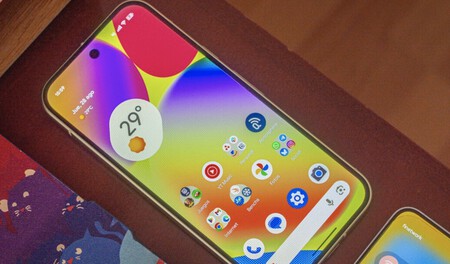
It is very common to hear phrases like “to surf the Internet and watch four videos, any 200 euro cell phone will do.” It is partly true, but there is a significant difference between choosing a high-end processor (like Snapdragon 8 Elite Gen 5 or an Apple A19 Pro) and a low-mid range one (like a Dimension 7000 or a Snapdragon 4 or 6).
The differences are not only measured in seconds but in the quality of experience. While a humble processor can perform tasks, the efficiency and speed can vary significantly depending on the chip. Below are five everyday situations where the differences between high-end and more humble processors are most noticeable.
Real Multitasking and App Refreshes
Have you ever found yourself composing an email, only to switch to WhatsApp for a moment, only to return and find the email had closed? This exemplifies multitasking management.
- High-End Processors: They handle RAM more efficiently, allowing seamless transitions between multiple open apps. Switching feels near-instantaneous.
- Mid-Low Range Processors: These tend to “kill” background apps to conserve resources, leading to frustrating one-second lags every time you switch.
Low Battery Consumption with 5G or WiFi 6
High-end processors are remarkably efficient. They complete tasks quickly and return to sleep mode effortlessly. Plus, their modern 5G modems manage data efficiently, resulting in less heat generation.
On the other hand, more modest processors struggle, often leading to higher battery usage and increased heat, particularly during prolonged use.
Keyboard Accuracy and Speed

Although it seems trivial, the keyboard is essential in daily mobile use. High-end processors minimize touch response latency, making every keystroke feel immediate. Additionally, AI text predictions happen in real-time without system slowdowns.
- With Lower-End Processors: These often experience minor input lag, causing frustrating pauses or unresponsive moments when typing quickly, leading to cognitive fatigue.
Photo Processing
In mobile photography, hardware matters just as much as software. When using high-end processors, you can see instant photo processing, with HDR applied and noise reduced.
Conversely, phones equipped with humble processors take longer to process images, leaving you staring at a loading icon for seconds. The quality may also suffer, showing more noise and less detail.
Running Generative AI and Video Editing
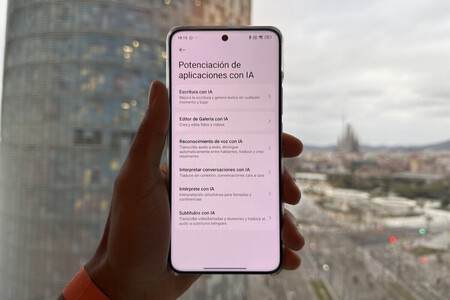
In 2026, AI is pervasive in our devices. High-end smartphones can handle tasks like photo editing and audio summarization locally, thanks to their Neural Processing Unit (NPU).
Less powerful phones, however, may need to rely on the cloud for such functions, making them slower or unusable without good connectivity.
When considering whether a high-end processor is worth the investment, it’s important to note that they enable devices to maintain performance over time. If you aim for a smartphone that lasts years, investing in a powerful SoC is a wise choice. Ultimately, power is not just for gaming; it creates a smooth, invisible experience where the device reacts fluidly to your needs.