
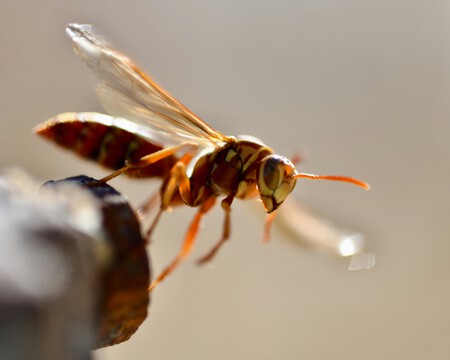
Radioactive Wasps: The Unlikely Discovery Near Aiken, South Carolina
In an astonishing twist of events, residents of Aiken, South Carolina, are grappling with the unsettling news of a wasp nest found containing radiation levels that are a staggering ten times higher than federal regulations allow. This discovery has not only sparked curiosity but has also raised serious questions about safety and environmental standards near facilities associated with nuclear materials.
The incident gained widespread media attention when the US Department of Energy released a report detailing the finding near the Savannah River Site , a nuclear material processing center famously known for its historical role in manufacturing nuclear weapons components during the Cold War. The report, dated from earlier this month, has many in the area both intrigued and alarmed, given the site’s notorious background.
Understanding the Background
Located adjacent to the Savannah River , the Savannah River Site was established in the mid-20th century to refine materials for nuclear weapons. While the facility currently focuses on producing fuel for nuclear power plants and waste cleanup, concerns about its legacy linger. According to reports, the site has generated over 625 million liters of nuclear waste, a considerable amount that now requires thorough monitoring and management.
Reports from the incident indicate that a radiation detection team discovered the wasp nest near one of the radioactive waste tanks on site. Although authorities maintain that there is no immediate risk to the public, the presence of such pollution raises questions about the integrity of environmental monitoring in the area.

Controlling the Situation
In response to the shocking discovery, state officials acted swiftly. The nest was treated with insecticide and subsequently removed from the site, categorized as a radioactive waste . Though the incident may appear alarming, NBC has reported that experts assert the wasps themselves were not found and are unlikely to present a danger to local communities. In fact, the radiological control operating staff conducted inspections around the nest and found no further evidence of radiation outside the containment area.
The Implications of Residual Radioactivity
The crux of the issue lies in understanding how such elevated radiation levels could occur in a wasp nest. The report refers to it as “inherited radioactive pollution,” suggesting that the remains of prior operations at the facility may contribute to the current situation rather than an imminent risk of significant leaks or failures in containment.
Despite the reassurances, local environmental groups have voiced dissatisfaction, particularly due to the lack of specificity regarding the source of the contamination. Tom Clements , a representative from the Savannah River Site Watch, expressed frustration over the insufficient explanations concerning the origin of the radiation and the implications it bears for safety in the area.
Conclusion
As the story of the radioactive wasps unfolds, it serves as a peculiar reminder of the complexities involved in managing legacy issues surrounding nuclear facilities. While the immediate threat appears contained, the incident underscores the need for ongoing vigilance and transparency regarding environmental safety standards in and around such sensitive sites. Communities deserve assurance that their health and safety are not compromised by remnants of our past.
Images | ILJA NEDILKO (UNSPLASH), Flo (Unspash), and Duncan Sánchez (UNSPLASH)