
Imagine that you’ve just splurged on a premium sex toy, eager to indulge in a new experience. As you unbox it, you’re greeted by a host of permissions required by its accompanying app: location, photo access, and more. Is this really necessary?
The Rise of Connected Devices
There’s no denying that our world is increasingly interconnected. While many devices benefit from remote control capabilities, the necessity of such features for a sex toy is debatable. Many users are left wondering how much control is truly required when it comes to personal pleasure devices.
Connected Toys in the Market
Brands like Lelo, Satisfyer, and We-Vibe have integrated apps that elevate user experiences. These apps allow you to control the toy from your mobile device or even sync it with a partner’s toy for remote play—an intriguing option, especially for couples in long-distance relationships. Some apps, like We-Vibe and Satisfyer, even include video call features, pushing the boundaries of intimacy.
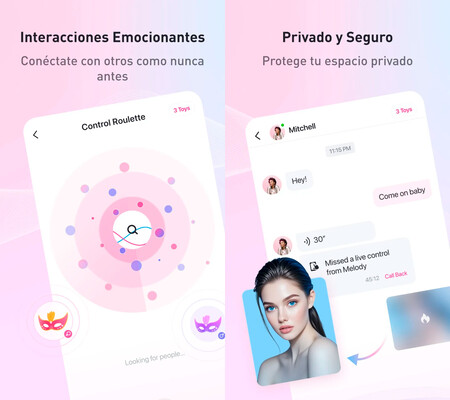
Taking things a step further, the app Joyhub acts like a social network for users, allowing for group chats and shared interactions. The Lovense Remote app connects you with strangers, offering the thrill of being controlled by someone outside your immediate circle, which might be appealing for those inclined toward exploring new dimensions of pleasure.
Customizing the Experience
Most connected toys offer customizable vibration patterns. Some apps even have innovative features that synchronize vibrations to music. Notably, Satisfyer has introduced a feature dubbed High Touch Meditations, effectively providing guided meditation experiences while engaging with your toy.
Permissions and Privacy Concerns
The advanced functionalities of these apps necessitate access to various aspects of your smartphone. For example, many apps, like We-Vibe, require permissions that may seem excessive, including location services, camera access, and much more. Such permissions can raise valid privacy concerns.
Applications typically collect sensitive data, including how often you use the toy and at what intensity. Here’s a breakdown of what some popular apps gather:
- Satisfyer: collects error logs and app activity data.
- Lelo: gathers error logs, device ID, and user emails.
- We-Vibe: may access photos, though this is optional.
- Lovense: collects various data types, including image and video access.
- Joyhub: reportedly does not collect any user data.
While many apps justify data collection for better user experiences, the risks of data breaches are real. A notorious case involved Svakom, where a poorly secured toy allowed unauthorized access due to a simple password compromise.
Are Advanced Features Necessary?
This leads to the pivotal question: are these multifaceted capabilities truly necessary for a sex toy? For general users, the majority may find them excessive. However, for specific scenarios, like sustaining intimacy over long distances, these functions may serve a purpose.
It’s essential to consider two vital points: first, connected sex toys often exceed €100, requiring them to offer significant benefits beyond basic functionality. Second, with brands racing to dominate the market, differentiation through added features has become crucial.
In conclusion, while the allure of connected devices brings exciting innovations, a careful balance must be struck between enhancing pleasure and protecting personal privacy.