
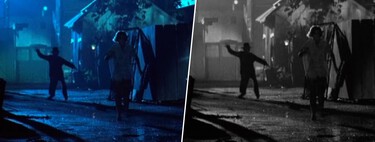
The Rise and Fall of Technicolor
In 1939, when Dorothy opened the door of her house carried by a tornado and stepped onto the yellow brick road for the first time, the world of cinema changed forever. This moment, the abrupt transition from the dull sepia of Kansas to the vivid explosion of color in the Land of Oz, was not merely a narrative trick; it was a technological declaration.
The Glory of Technicolor
The brilliant yellow of that path, captured by the three-strip cameras of Technicolor weighing 500 pounds, required nearly a week of work at MGM just to determine the exact shade of yellow. Each copy of ‘The Wizard of Oz’ that arrived at theaters was, literally, a unique work of art due to the manually transferred dyes layered upon each other—a meticulous and complex process.
Fast forward to December 2024, when MPC, Technicolor Creative Studios’ visual effects division, delivered another Disney project, ‘Mufasa: The Lion King.’ A team of over 1,700 artists spread across four continents had spent years creating each blade of digital grass and every hair of Mufasa’s mane—16.9 million hair curves—reflecting the new era of digital filmmaking.
The Double Death of Technicolor
Just two months after receiving an Oscar nomination for Best Visual Effects, Technicolor Creative Studios collapsed. Approximately 10,000 professionals saw their jobs vanish overnight. Thus, Technicolor “died” twice: first, gradually between 1950 and 1975, as cheaper and more flexible color film systems emerged; and second, the modern conglomerate that inherited this legacy came to an end. Let’s explore these two deaths and discover how Technicolor changed the world twice.
The Birth of Technicolor
The company’s story began in 1912 when Herbert T. Kalmus and Daniel F. Comstock, both MIT graduates, alongside mechanic W. Burton Wescott, formed a research firm. They initiated the quest to bring color to the big screen, registering the name Technicolor Motion Picture Corporation in 1915 as a nod to their MIT roots and their ambition to inject color into cinema.
The Aesthetic Revolution
Their first system was additive, projecting two frames onto a single film strip, one filtered red, the other green. This impractical method yielded only one film, ‘The Gulf Between,’ of which only fragments survive today. Afterward, they devised a “subtractive” method, where color information was embedded within the image itself, eliminating the need for filters and leading to more practical filmmaking.
Even with innovations, their cumbersome cameras weighed a staggering 500 pounds and required excessive lighting, often putting actors at risk of permanent eye damage. Most notably, Technicolor had stringent control over its processes, sparking frustration among filmmakers who found their demands excessive.
The Technicolor Era and Decline
From the mid-1930s to mid-1950s, Technicolor thrived. Iconic films like Disney’s ‘Snow White and the Seven Dwarfs’ and ‘Gone with the Wind’ embraced the vibrant color, establishing it as a badge of prestige. However, by the 1950s, a new player emerged—Eastmancolor, a system developed by Eastman Kodak that drastically simplified the color filming process, rendering Technicolor largely obsolete.
The Final Transformation
Despite a brief revival between 1997 and 2002 with improved processes showcased in hits like ‘Batman & Robin,’ Technicolor ultimately succumbed to digital technology. Its legacy pivoted towards visual effects and digital services, leading to acquisitions and expansions but failing to integrate effectively, sinking into massive debt.
A Symbolic Closure
The final chapter in Technicolor’s saga culminates with the release of a controversial version of ‘Snow White’ in 2025, mirroring the transformation and challenges faced by the modern film industry. The original version remains a benchmark for color precision and durability, showcasing Technicolor’s revolutionary promise and unavoidable decline.
Thus, the fate of Technicolor intertwines with its two interpretations of ‘Snow White’—the vibrant promise of cinematic color and its eventual downfall amidst digital complexities, serving as a critical reminder of the relentless pace of innovation in the audiovisual world.