
The recent turmoil in the streets of Los Angeles began as a protest against anti-immigration raids in the United States but rapidly escalated into violent clashes. Demonstrators have faced off against the police, vandalized businesses, and even set vehicles on fire. 2,000 members of the National Guard and 700 Marines were mobilized to manage the escalating situation. Earlier today, President Donald Trump announced he would double the number of National Guard troops, amidst ongoing legal questions about their deployment.
The protests have continued for four days, marked by heightened tensions that have culminated in confrontations with law enforcement. Amid this turmoil, one company appears to be at the forefront of the chaos: Waymo .
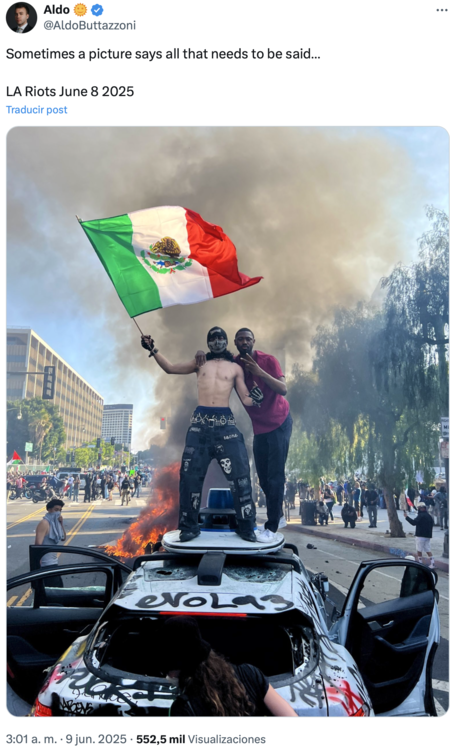
Click the image to view the original tweet
Waymo: The Target of Anger
One of the most striking images from the protests is that of a protester standing atop a vandalized Waymo vehicle, waving a Mexican flag . This moment encapsulates the broader discontent towards the autonomous vehicle company.
“Sometimes an image says more than words,” remarked Aldo Butazzoni , a conservative journalist covering the riots. Waymo’s targeting is no accident, as the company operates a robotaxi service in Los Angeles and has been subjected to increasing acts of vandalism.
On June 8 , a viral photograph captured at least three Waymo vehicles engulfed in flames. The company later reported that five cars had been torched and announced a temporary halt to its services due to the unrest. According to the Los Angeles Times , protesters even threw shared Lime scooters at the vehicles to smash their windows.
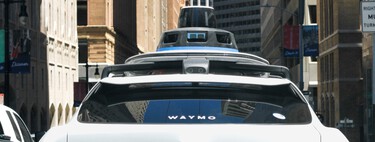
But why is Waymo facing such intense backlash ?
While the fires represent significant damage to urban property, the demonstrators likely have deeper motivations for their aggression. Waymo has faced multiple acts of vandalism since its inception. In July of last year, an individual was accused of slashing the tires of 17 Waymo vehicles . Previous incidents include vehicles being set on fire in both Los Angeles and San Francisco , where the company also operates.
“Waymo lacks humanity. Its services are expensive, and the politicians who promote it use it as an excuse to defund public transportation. I hope Waymo collapses,”
These words from Elise Joshi , a climate activist, encapsulate the sentiment behind the ongoing hostilities against Waymo on social media. The service has always stirred controversy, even as it approaches 800,000 riders per month . Critics argue that it undermines public transportation, serves only corporate interests, and complicates daily urban mobility.
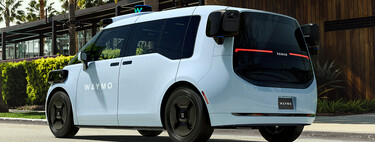
In recent years, issues arising from robotaxi services have led to various incidents, ranging from minor infractions like nearly 600 parking tickets for improper parking in just one year to more serious problems, such as a Cruise vehicle blocking emergency services while attending to an accident.
The repercussions of these robotaxi companies extend far beyond the immediate context, with claims suggesting they contribute to housing issues in cities like San Francisco .
Constant Surveillance
Another crucial reason for the ongoing assaults on Waymo vehicles relates to their role in monitoring and surveillance. Vandalizing a Waymo car effectively removes it from service, preventing its use by law enforcement.
Reports from Time highlight that police have increasingly relied on Waymo’s cameras for their investigations . Each Jaguar I-Pace used by Waymo is equipped with 29 cameras , making them valuable assets for law enforcement.
A recent article indicated that the Los Angeles Police Department prioritized footage from Waymo vehicles in their investigations. In April, they even shared a video on YouTube to solicit public assistance in identifying a vehicle involved in an unrelated pedestrian accident.
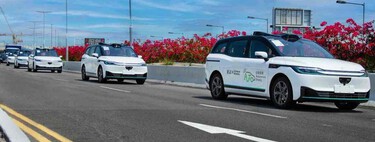
While Waymo stated it examines police requests carefully and does not freely hand over data, Bloomberg suggested in 2023 that police reliance on such vehicles is becoming increasingly common.
It’s noteworthy that the police have also made requests for footage from Tesla , suggesting that surveillance capabilities are not limited to Waymo alone. Concerns have been raised regarding these vehicles potentially recording footage of their owners without consent.
“We’ve known for a long time that these vehicles are essentially surveillance cameras on wheels ,” shared Chris Gilliard , a member of the Carnegie Council for Ethics in International Affairs. “We should be able to live our daily lives without being surveilled unless suspected of a crime, and every piece of this technology chips away at that capability,” he concluded.
In light of increasing tensions and escalating violence against robotic technologies, the discourse surrounding their implications on society continues to unfold. Until a balance is struck between technological advancement and community safety, the societal ramifications will continue to loom large.