
A common topic of discussion is the damage inflicted upon the Antarctic ice sheet , especially due to climate change . However, the icy continent is undergoing transformations not just at its surface but also beneath the waves. Human impact is now evident in the ocean’s depths, demonstrating that the repercussions of our actions extend far beyond what is immediately visible.
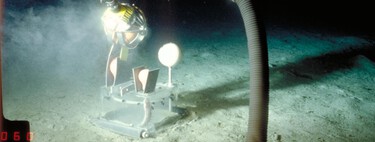
New Findings. A research team has recently published stunning images showcasing the seafloor surrounding Antarctica. These revealing visuals depict the detrimental effects of human activity, specifically from the anchors of ships docking at the continent’s shores. With climate change reshaping the landscape, once-inaccessible waters are now opening up not just for scientific expeditions but also for tourist vessels and recreational boats.
This issue isn’t solely aesthetic; it directly threatens the marine life inhabiting the ocean floor. The researchers voiced significant concerns regarding sponge communities that thrive in these remote oceanic regions, highlighting their vulnerability in the face of rising human activity.
An Unprotected Environment. The signs of human activity in the Antarctic ocean ecosystem arise from various environmental changes. Notably, climate change is making previously restricted waters navigable. The 2022-23 season saw at least 195 tourist , scientific , and fishing vessels anchor in coastal regions where it was once rare, particularly in depths not exceeding 82.5 meters .
Tracking the Ships. Researchers used specialized underwater cameras to study 36 seafloor points near the Antarctic Peninsula and South Georgia Island. The footage taken at various depths revealed disturbances in the seabed and disruptions to marine life, largely due to the anchors from visiting ships. The documentation is crucial and, as co-author Sally Watson stated in a press release, comes rather late given the importance of these ecosystems that are often overlooked in global assessments.
“The impacts of anchoring are under-studied and underestimated globally. It is essential to recognize and mitigate these impacts across all industries and limit planned anchoring,” Watson emphasized. A detailed analysis of the findings was published in the journal Frontiers in Conservation Science.
Threatened Sponges. The presence of ship anchors poses a significant risk to life at the ocean floor. Researchers noted that affected areas displayed limited signs of marine life. They found evidence of flattened sponge colonies due to human activity, in stark contrast to nearby unaffected areas where marine life was flourishing. This disparity underscores the delicate balance of ecosystems in these remote waters.
Especially Vulnerable. An additional challenge is that the organisms in these cold environments, many of which are endemic, tend to grow slowly, making them particularly susceptible to such disturbances. Among these, the volcanic sponge (*Anoxycalyx joubini*), discovered by the team, includes specimens considered some of the oldest living animals on the planet, with lifespans reaching up to 15,000 years .
In summary, as human activity continues to encroach upon these pristine ecosystems, it is evident that urgent measures are needed to protect Antarctic marine life from the consequences of our actions. Every layer of disturbance adds to the unfolding realties of environmental degradation , challenging the resilience of habitats that sustain complex life forms in one of the world’s last untouched regions.