
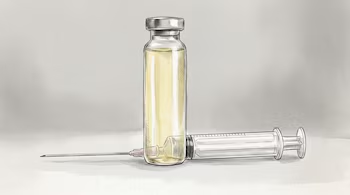
Venezuela’s Health Challenge Post-Earthquake: The Urgency of Vaccination
The recent earthquakes in Caracas and La Guaira have plunged Venezuela into a dual crisis: structural devastation and a looming health threat. The Latin American Society of Vaccinology (SLV) has urgently called for immediate action regarding vaccinations, emphasizing that vaccination should not be delayed amid this disaster.
Understanding the Risks
The earthquakes have significantly disrupted health services and created a precarious environment characterized by displacement and overcrowding. While earthquakes themselves do not directly cause epidemics, the resultant conditions—such as water and sanitation challenges, loss of vaccination records, and strained health resources—can exponentially increase the risk of outbreaks. Areas like Caracas and La Guaira, already vulnerable due to a weakened health system, require proactive measures to avert a public health catastrophe.
Immediate Vaccination Strategies
According to the SLV, immediate vaccination efforts must be integrated into the health response from the onset. Key strategies include:
- Presumptive Vaccination: This strategy involves vaccinating individuals even when their vaccination history is unknown. The rationale is based on the acute need to prevent outbreaks, particularly in affected populations.
- Top Priority Vaccines: Anti-tetanus prophylaxis is vital for anyone with wounds sustained during the disaster, emphasizing the need for immediate clinical evaluation and treatment.
The SLV outlines four main objectives for vaccination in the aftermath of the earthquake:
- Tetanus Prophylaxis: Treating wounds caused by debris and ensuring access to vaccines.
- Recovery of Vaccination Schedules: Re-establishing routine immunizations for affected groups.
- Control of Outbreaks: Proactively identifying and controlling measles, polio, and diphtheria.
- Protection of Healthcare Workers: Ensuring that health personnel and responders are fully immunized to maintain the integrity of health services.
Operational Roadmap for Vaccination
The SLV introduces a three-phase operational roadmap post-earthquake:
- First 72 Hours: Focus on inventorying vaccines, immunoglobulin, and cold chain equipment; integrating tetanus vaccinations; and identifying referral routes for emergencies.
- Days 3 to 28: Concentrate on reconstructing vaccination regimens for measles, rubella, polio, and other vital immunizations, especially among vulnerable populations in shelters and isolated communities.
- Medium-Term Recovery: Aiming to create a resilient immunization network with better record-keeping, material replacement, and active outbreak surveillance.
Community Engagement and Recommendations
Documentation is crucial in these efforts. The SLV has recommended a standard Emergency Vaccination Card to help keep track of vaccinations even if electronic systems are not available.
To further strengthen community involvement, residents are advised to:
- Keep a copy or photo of their vaccination card.
- Consult health services for serious injuries or symptoms.
- Recognize that while vaccinations are vital, they must go hand-in-hand with access to safe water and sanitation.
Conclusion: A Call for Support
The SLV calls on governments, donors, and multilateral organizations for immediate, coordinated support directed through the Ministry of Health and the Expanded Immunization Program (PAI). Critical resources are urgently needed, including priority vaccines and equipment, along with funding to sustain vaccination efforts over the next six months.
In the wake of the earthquakes, timely vaccination is not just a preventive measure; it’s a crucial step in protecting vulnerable populations and averting a secondary public health crisis. As Venezuela grapples with this overwhelming challenge, swift action in vaccination can indeed save lives.