
New Visa Requirement for Travelers: The Impact of a $15,000 Bail
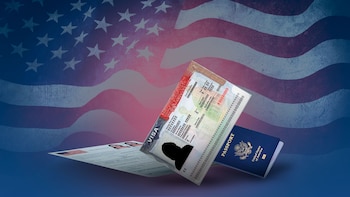
This Monday, August 4, it was announced that the United States Department of State proposed a new requirement for business and tourism visa applicants, which mandates that they must pay a bail of up to $15,000 to enter the country. This significant financial barrier could create serious challenges for many potential visitors, especially if applied to Mexican applicants; at the current exchange rate, a $15,000 bail represents 283,000 Mexican pesos.
The announcement will be published in the Federal Registry next Tuesday, and the State Department has indicated that a 12-month pilot program will be initiated. This pilot program will specifically target applicants from countries considered to have high visa overstay rates and insufficient internal document security controls.
Understanding the Bail Requirement
Under this new requirement, individuals may be prompted to deposit bonds starting at $5,000, $10,000, or $15,000 when they apply for a visa. This approach raises questions about how it could affect genuine tourists and business travelers who have no intentions of overstaying their visas. The State Department has emphasized that the bond can be conditional based on a person’s individual circumstances, yet the prospect of having to pay such a hefty amount upfront may discourage many from applying altogether.
Targeting High-Risk Countries
The State Department’s notice clarifies that foreigners requesting temporary visitor visas for business or leisure who are from countries designated as having high visa overstay rates may be affected by this new requirement. The list includes nations often scrutinized for their poor verification processes and those that offer citizenship by investment without requisite residence requirements.
Once the new program launches, bail obligations will specifically apply to citizens of countries identified in this list. However, it is crucial to note that citizens of the 42 nations participating in the Visa Waiver Program will not be subject to this bail requirement. This program allows for business or tourism visits of up to 90 days without requiring a visa. Most of these exempt countries are located in Europe, with others from Asia and the Middle East.
Potential Impact on Tourism
This shift in visa policy could potentially reshape the landscape of international tourism and business travel to the United States. The upfront financial burden may deter many will-meaning visitors from even submitting their applications. This might also lead to a decrease in business interactions between the US and those countries identified in the new policy, ultimately affecting economic relationships.
Many stakeholders, including travel industry professionals and those engaged in international trade, are monitoring these developments closely. The success of this new program will heavily depend on its implementation strategies and whether it can effectively address concerns regarding visa overstays without hampering legitimate tourism and business activities.
In essence, as the United States steps forward with this latest policy, the repercussions could send ripples far beyond its borders, affecting not just applicants, but also the broader economic landscape. Addressing these challenges will be critical as the implementation of this program unfolds.