
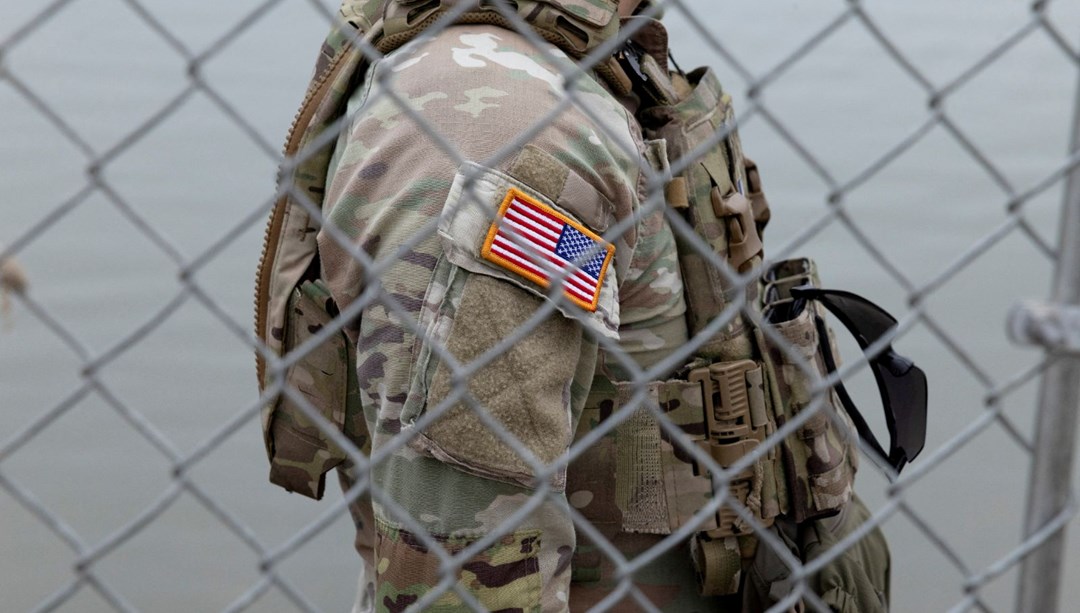
Military Recruitment Challenges During COVID-19
The COVID-19 pandemic has had a profound impact on various sectors, one of which is the military recruitment in the United States. As the pandemic unfolded, the U.S. Army faced significant challenges in both recruitment and retention of soldiers. To tackle these issues, it has invested over 6 billion dollars in initiatives aimed at boosting enlistment and retaining existing personnel during the last three years.
Government Spending to Enhance Military Recruitment
According to data from the U.S. Department of Defense, billions of dollars have been allocated in an effort to encourage young individuals to consider military service. The pandemic’s constraints resulted in an unexpected decline in enlistment numbers, forcing the military to reassess its recruitment strategies. The U.S. Army has implemented several incentives and programs to attract potential recruits and maintain a strong workforce.
In the fiscal allocations earmarked for military recruitment, 2022 saw the Army spending approximately $527.1 million. This number was expected to rise in subsequent years, with projected expenditures of $755.5 million in 2023 and $805.2 million in 2024. These investments are part of a strategic approach to enhance the overall recruitment process and to ensure that the armed forces maintain a robust presence.
Retention of Current Military Personnel
While recruitment is critical, retaining existing personnel is equally essential for the sustainability of the Army. To this end, the U.S. Army allocated substantial funds towards incentives designed to encourage current soldiers to extend their service. In 2022, around $1.19 billion was dedicated to retention efforts. This amount increased significantly to $1.76 billion in 2023 and is expected to reach $2.09 billion in 2024.
The financial resources used for retention initiatives focus on various benefits such as bonuses, promotions, and support systems that help current personnel feel valued and motivated. These financial plans are crucial in maintaining the operational effectiveness of the military, especially in times of crisis.
The Voluntary Nature of Military Service in the U.S.
One of the distinctive features of military service in the United States is its voluntary nature. All eligible candidates must meet certain criteria, which include being a U.S. citizen, aged between 17 and 42, and having at least a high school diploma. The Army’s voluntary recruitment model highlights the importance of motivating candidates to willingly join the ranks, rather than being conscripted.
The efforts to foster enrollment have included a range of financial advantages aimed at making military service an attractive option. Some of these benefits include education support post-service, repayment of student loans, guaranteed salaries, bonuses, and various allowances. These incentives are not only appealing but are strategically crafted to meet the needs and aspirations of prospective recruits.
Challenges and Opportunities in Military Recruitment
The decline in recruitment and retention rates during the pandemic has shed light on underlying issues within military structures. A combination of factors, including changing societal values, job market fluctuations, and mental health considerations, has contributed to the challenges faced by the U.S. Army.
Interestingly, the ongoing initiatives and financial commitments serve not only as a reactive measure but also as an opportunity for the Army to modernize its recruitment tactics. Understanding the evolving landscape can enable military recruiters to resonate more effectively with a tech-savvy, socially conscious generation that values transparency and career growth.
An emphasis on work-life balance, mental health, and career development will likely shape future recruitment strategies. By addressing these contemporary concerns, the Army can better appeal to younger generations and create a more sustainable recruitment pipeline.
The Future of Military Recruitment Post-COVID
As the United States continues to emerge from the depths of the COVID-19 crisis, the military recruitment landscape is expected to evolve. The sizeable investments made over the past few years demonstrate a long-term commitment to building a capable and ready force. Continuous assessment and adaptation will be imperative for improving recruitment and retention statistics in the coming years.
In conclusion, while the pandemic has presented numerous challenges for military recruitment, it has also compelled the U.S. Army to innovate and enhance its strategies. By focusing on effective incentives, retaining current personnel, and adopting modern recruitment approaches, the military can secure its operational readiness and strength for the future.