
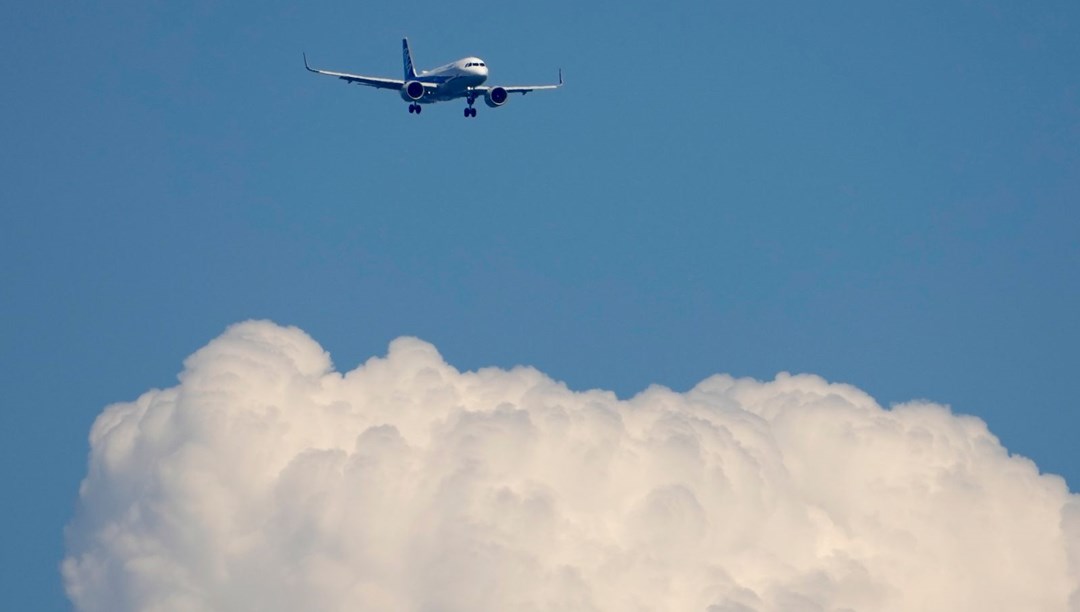
Emergency Landing of All Nippon Airways Flight
On a seemingly routine flight from Tokyo, Japan to Texas, USA, an incident unfolded that led to a dramatic emergency landing for an All Nippon Airways (ANA) passenger aircraft. The situation escalated when a passenger attempted to forcibly open an emergency exit door mid-flight, prompting panic among the other travelers onboard.
Incident Details
According to news reports from the Mirror, the Boeing 777 aircraft was approximately three hours away from its destination when the chaotic event occurred. The individual, whose identity has not been disclosed, made a sudden move to open the emergency exit, causing alarm among fellow passengers. The cabin crew and other passengers quickly sprang into action, successfully restraining the individual by quickly pushing him away from the exit and holding him down until the plane could land.
Quick Response by the Crew
The flight took off smoothly; however, the scenario quickly turned concerning. The pilot made a prompt decision to divert to Seattle-Tacoma International Airport for an emergency landing. After flying for nine hours, the aircraft landed within 45 minutes following the incident, showcasing the Airline’s crew’s ability to manage crisis situations effectively. This emergency landing points to the crucial role of the flight crew in maintaining passenger safety during alarming events.
Additional Passenger Removed
Upon landing in Seattle, the situation didn’t stabilize completely. Reports indicate that another passenger was also removed from the flight due to disruptive behavior, further complicating an already tense situation. Both individuals were escorted off the plane, leading to heightened security measures and concerns about passenger conduct during flights.
Delayed Arrival in Texas
Flight tracking data from FlightAware revealed that after the incident, the aircraft took off again but arrived at Houston’s George Bush Intercontinental Airport four hours later than originally scheduled. The emergency landing and subsequent disruptions delayed many passengers who were understandably anxious and curious about what had transpired during their extended journey.
Medical Evaluation of the Disturbed Passenger
Following the turbulent episode, participants in the incident were assessed to ensure their safety and well-being. The passenger who attempted to open the emergency exit door was determined by authorities to have experienced a “medical crisis.” After being removed from the plane, he was transported to a nearby hospital for evaluation and treatment—a necessary step to address any underlying issues that influenced his concerning behavior during the flight.
Passenger Insights and Reactions
Among the passengers was a young woman named Ashley, who had a front-row seat to the unfolding drama. Speaking to Fox26, she described how the man abruptly got up and moved over fellow travelers, igniting fears of a potential disaster. Ashley noted that while she did not know how to react at the moment, she felt immense gratitude toward the passengers who took control of the situation, ensuring everyone’s safety. “It was unbelievable. I want to thank the kind citizens who managed to subdue the situation,” she expressed, illustrating both the shock and relief felt by those who witnessed the chaotic events.
Safety Protocols and Airline Responsibility
This incident raises questions about airline safety protocols and how such situations are handled in-flight. It underscores the importance of training for cabin crew and the necessity of having effective emergency procedures to deal with unruly passengers. The entire episode reflects not just a singular crisis but also illuminates the collective responsibility shared among airlines in safeguarding their passengers and managing unexpected challenges during flights.
The Role of Airlines in Passenger Safety
Airlines around the world continually strive to enhance their safety measures and protocols, especially in light of such incidents. Training programs for flight attendants and cabin crew typically include crisis management techniques designed to prepare them for various scenarios, from medical emergencies to aggressive passenger interventions. All airline passengers must remember that their conduct plays a significant role in maintaining the orderly, safe environment that everyone desires while traveling.
Conclusion
In conclusion, the All Nippon Airways flight incident showcases how rapidly events can unfold during air travel and the crucial role various agents play in maintaining safety. Whether through swift action from crew members or concerned passengers, the incident highlights the importance of vigilance, preparedness, and the collective responsibility of everyone onboard. As travel continues to reopen globally, reflections on such events will surely guide improvements in airline safety standards while promoting a culture of respect and responsibility among passengers.