
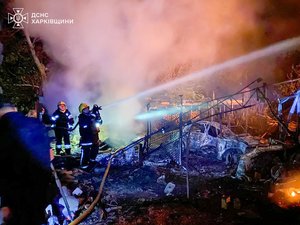
A Russian air strike killed more than 20 civilians in the village of Iarova, in the Donetsk region, said Ukrainian President Volodymyr Zelensky on Tuesday, September 9, 2025.
More than 20 Civilians Killed
“A Russian wild strike with an aerial bomb in the village of Iarova in the Donetsk region” killed “more than 20” civilians, denounced Mr. Zelensky on social networks, in a publication accompanied by a video showing bodies strewn across the ground.
The Ukrainian President Volodymyr Zelensky called upon Kyiv’s allies to increase pressure on Moscow to end the war: “Directly on people. Ordinary civilians. At the very moment when pensions were paid,” he wrote on X.
“The world should not remain silent. The world must not remain inactive. An answer is necessary on the part of the United States. A response is necessary on the part of Europe. A response is necessary on the part of the G20.”
Escalating Tensions in the Donetsk Region
The incident in Iarova is a stark reminder of the ongoing violence in eastern Ukraine, a region that has seen conflict since 2014. After Russia’s annexation of Crimea and the support of separatist movements, the situation escalated dramatically. Over the past few years, both Ukrainian military forces and Russian-backed separatists have exchanged fire, leading to significant loss of life and human suffering.
According to reports, Iarova was not the only area affected by the recent escalation in hostilities. Additional airstrikes were reported across the Donetsk region, leading to fears of a wider military conflict. Civilians are often caught in the crossfire, underscoring the humanitarian crisis that continues to unfold.
Zelensky’s Call to Action
In his poignant message, Zelensky emphasized the urgent need for international action. The deaths of civilians have historically drawn strong rebukes from numerous world leaders, but the effectiveness of these responses remains a matter of debate. Many international observers have criticized the timidity of responses from countries that have major political and economic ties with Russia.
Zelensky’s call for action resonates with memories of previous humanitarian disasters that were met with varied international responses. From urgent calls for sanctions to diplomatic pressure, the options available hold significant implications for how the conflict may evolve. In his statement, the Ukrainian President urged nations to reconsider their roles and their responsibilities when faced with blatant acts of aggression.
Humanitarian Impact
The humanitarian consequences of the ongoing conflict are severe. As per numerous humanitarian organizations, millions of Ukrainians remain displaced due to the violence, with many living under increasingly dire conditions. Access to essential services, such as healthcare and water, has been severely compromised by the ongoing conflict.
Furthermore, the psychological toll on civilians who live under constant threat of airstrikes and shelling cannot be understated. Reports indicate that many suffer from post-traumatic stress disorder and other mental health issues due to their experiences in war—a reality that will linger long after physical rebuilding has commenced.
The International Community’s Role
The role of the international community is pivotal at this juncture. Countries and organizations around the globe have different stakes and interests in the conflict, making unity challenging but necessary. The United Nations has often urged for diplomatic resolutions, but the consistent violation of agreements showcases the complexities involved.
Zelensky’s appeal for a coordinated response could potentially galvanize the international community to act more decisively. Effective sanctions, greater military support for Ukraine, and humanitarian assistance are among actions suggested by various analysts and policymakers to counter Russian aggression.
The G20 summit, an important platform for major economies, could serve as a critical juncture for global leaders to discuss their collective stance towards Moscow and the ongoing conflict in Ukraine. How they respond in the face of escalating violence will likely shape both diplomatic relations and the future of the region.
In the midst of this turmoil, it’s crucial for the world to remember that behind statistics lie real people—families torn apart, lives lost, and communities shattered. The international community’s response, or lack thereof, will influence not just the outcome of the conflict, but the moral standing of nations that claim to uphold democracy and human rights.
As citizens of the world watch, the unfolding tragedy in places like Iarova demands our attention and action for a just and lasting resolution.