
Greenpeace Activists Charged with ‘Aggravated Theft’ After Wax Figure Incident
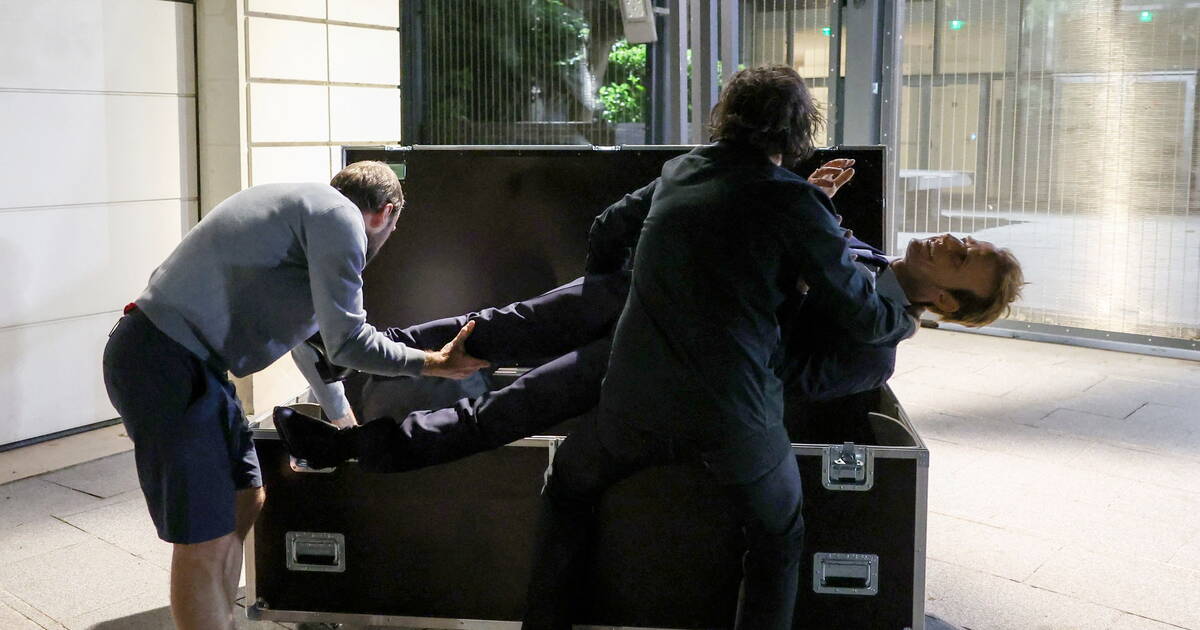
On June 5, two activists from Greenpeace found themselves in legal trouble after an unusual incident involving a wax statue of French President Emmanuel Macron. According to information reported by Libération, the activists were formally charged with “aggravated theft” after they had taken the wax figure from the Grévin Museum in Paris. They returned the statue the following day, but not before drawing significant public and media attention.
The duo’s actions were part of a larger protest highlighting the ongoing economic ties between France and Russia, despite the ongoing conflict in Ukraine. Their audacious move involved placing Macron’s wax figure outside the Russian Embassy in France, symbolizing their discontent with the French government’s decision to continue commerce with Moscow amidst global concerns.
The Protests: A Deeper Look Into the Motivation
The activists’ intention was clear: to spotlight the hypocrisy of maintaining trading relationships with a country perceived to be engaged in flagrant human rights violations. By involving the wax figure of Macron, they aimed to create a striking visual that would resonate with the public and media alike. Holding a provocative agenda, the protest was an irony-laden critique, as they utilized one of France’s most recognizable figures to criticize governmental inaction.
Activism, in this case, illustrates the broader movements concerning climate change and human rights, which are becoming increasingly intertwined. The actions of the Greenpeace activists reflect a rising trend among NGOs to utilize visual and symbolic gestures to demand accountability from leaders.
Legal Consequences: What This Means for the Activists
The legal implications for the Greenpeace activists are severe. Charged with “theft in an organized group of a cultural property”, they potentially face up to ten years in prison and fines reaching €150,000. This incident raises questions about the limits of protest and the legal ramifications that activists can encounter when engaging in acts that blur the lines of legality.
The defense can argue that the actions were intended for social and environmental advocacy, potentially positioning the activists as political prisoners—this has often been the case for many activists around the world who face stringent legal actions for their trade of civil disobedience.
The Broader Context: Cultural Property and Activism
This incident opens up a broader dialogue about cultural property and its significance in activism. Acts of civil disobedience, especially those that involve the appropriation of cultural symbols, invite polarizing views. While some see it as vandalism or theft, others argue that these acts are essential for drawing attention to pressing social issues. The question remains: should the legal system prioritize the preservation of cultural properties over the advocacy for critical global issues such as climate change and human rights?
Internationally, activists have grappled with similar issues when employing symbolic resistance. The balance of respect for cultural artifacts and the pressing need for socio-political change continues to be a point of contention in the modern discourse surrounding activism.
Public Reaction and Media Coverage
The public’s reaction has been mixed. Many people have expressed support for the activists, praising their audacity for bringing such attention to significant issues. Social media platforms have been flooded with discussions about the appropriateness of their actions, alongside calls for more stringent measures against government complacency in international relations.
Conversely, critics argue that the method undermines the activists’ core message. By resorting to actions that can be legally classified as theft, it may detract from the very human rights discussion they attempted to stir.
Media coverage has focused significantly on the drama of the event, with photos and reports circulating widely. The use of a wax figure of a leading political figure as a protest symbol has led many to reflect on the power of visual imagery in moments of civil unrest.
By combining different forms of media—such as images of the wax figure outside the Russian embassy—with traditional reporting, this situation served as a vivid example of how modern activism is navigating the complexities of engaging with global issues while utilizing unconventional methods to elicit change.
In light of these events, the balance between protest and property rights continues to be tested. Whether these two Greenpeace activists will be viewed as criminals or as modern-day heroes remains to be seen as their legal proceedings unfold in the coming months. The conversation surrounding their actions highlights the urgent need for society to reevaluate the implications of activism in our increasingly complex political landscape.