
China’s New Technological Elite: A Quiet Revolution
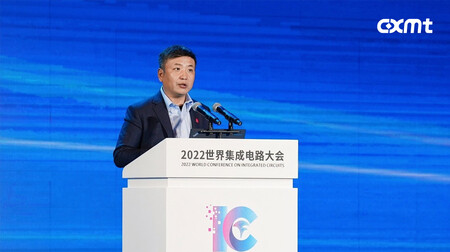
In the past two decades, a significant shift has taken place within China’s economic landscape. Once overshadowed by real estate tycoons and construction magnates, a new breed of entrepreneurs has emerged from the tech sector, poised to redefine global industry standards. A striking example is Zhu Yiming, a former engineer from Silicon Valley who predicted that the global memory business would eventually become dominated by Chinese companies. Now, as the founder of ChangXin Memory Technologies (CXMT), he boasts a fortune of $15.5 billion following a remarkable stock market debut that surprised many. This tale marks not just personal success but a new era for China’s economy.
The Shift from Traditional Industries to Technology
Today, thriving Chinese millionaires are largely associated with technology rather than traditional industries like steel or real estate. According to the Hurun Report 2026, there are currently 29 self-made billionaires in China aged 40 or younger. These entrepreneurs are building their fortunes through innovation in fields such as artificial intelligence and semiconductor manufacturing. Liang Wenfeng, for instance, has made waves with his AI company, DeepSeek, and his net worth has skyrocketed to $36 billion. His success exemplifies the rapid evolution from conventional industries to advanced technology.
Global Ambitions Beyond Borders
Unlike the previous generation of billionaires who focused primarily on domestic growth, this new elite has a more global outlook. Wang Ning, known for creating the iconic Labubu dolls from Pop Mart, quickly ascended to become one of China’s wealthiest individuals. His product gained popularity worldwide, signifying a new ambition among Chinese entrepreneurs: to transcend domestic markets and carve out a global presence.
Junjie Zhang, the mind behind Chagee, a milk tea chain, has also captured international attention. After opening stores beyond China in just two years, Chagee recently made headlines by entering the Nasdaq, further demonstrating how these new millionaires are redefining what it means to be successful in a globalized economy.
Changing Work Culture to Attract Talent
The newer generation of wealthy entrepreneurs is also reshaping the notorious “996” work culture—working from 9 AM to 9 PM, six days a week—that has long dominated Chinese businesses. Unlike predecessors such as Jack Ma, who promoted this model, today’s millionaires recognize the importance of work-life balance in attracting and retaining top talent. They are adapting their companies to create less stressful environments, aiming to recruit the best minds in the industry.
The Hidden Costs of Success
However, rising to prominence comes with its challenges. The Chinese government’s stringent oversight of successful billionaires serves as a warning—exemplified by Jack Ma’s fall from grace after his critical remarks about financial regulators. In recent years, significant transactions, such as the blocked $2 billion sale of AI startup Manu to Meta, highlight the volatility and scrutiny that accompany this new elite status. This political environment often forces successful entrepreneurs to adopt a lower profile, fearing that their fortunes may be jeopardized by geopolitical shifts.
As a result, this elite group stands as the most globalized yet least recognizable in public life. They focus on allowing their innovations to speak for themselves, maintaining a discreet public persona while aiming for global impact. In an era where the world is increasingly interconnected, China’s new wave of technological elite is navigating uncharted waters, balancing ambition with caution.
In conclusion, China’s shift toward a technology-driven economy is creating a generation of millionaires who are reshaping not just their industries but also the landscape of global business. As they quietly take the helm, the future of entrepreneurship in China seems promising, albeit nuanced by the realities of political oversight and a need for discretion.