
Israel’s Military Operations in Gaza: An Overview of International Reactions
The ongoing military operations conducted by Israel in Gaza have drawn significant international attention, leading to a wave of condemnation and calls for restraint from numerous countries. The humanitarian situation in the region has deteriorated, prompting urgent discussions about the need for a humanitarian response amid escalating military action.
Diplomatic Pressure Mounts
In a swift response to the escalating situation, diplomatic pressure has mounted on Israel from several Western nations. A joint statement issued by the United Kingdom, France, and Canada highlighted the rising concerns regarding civilian casualties in Gaza. These countries have firmly urged Israel to reconsider its military strategies, framing the message as a clear and unequivocal call for peace.
The strong wording of this statement emphasizes the dire humanitarian implications of Israel’s military operations. These nations reiterated their commitment to ensuring that humanitarian aid reaches those in need, urging an immediate ceasefire to alleviate the suffering of the civilian population.
Impacts on Economic Relations
Shortly after these diplomatic overtures, the European Union took a significant step in recalibrating its relationship with Israel. Officials from the EU announced their intention to review the Association Agreement, which has been in effect since 2000, governing economic and political ties with Israel. This dramatic shift indicates a potential re-evaluation of the EU-Israel relations against the backdrop of the humanitarian crisis unfolding in Gaza.
Analysts suggest that this reassessment could lead to severe consequences for Israel’s economy, particularly if sanctions or restrictions on trade are imposed. Observers have noted that such measures could signal a turning point in the EU’s historical support for Israel, reflecting a broader push for accountability for actions viewed as contrary to international law.
Responses from Global Leaders
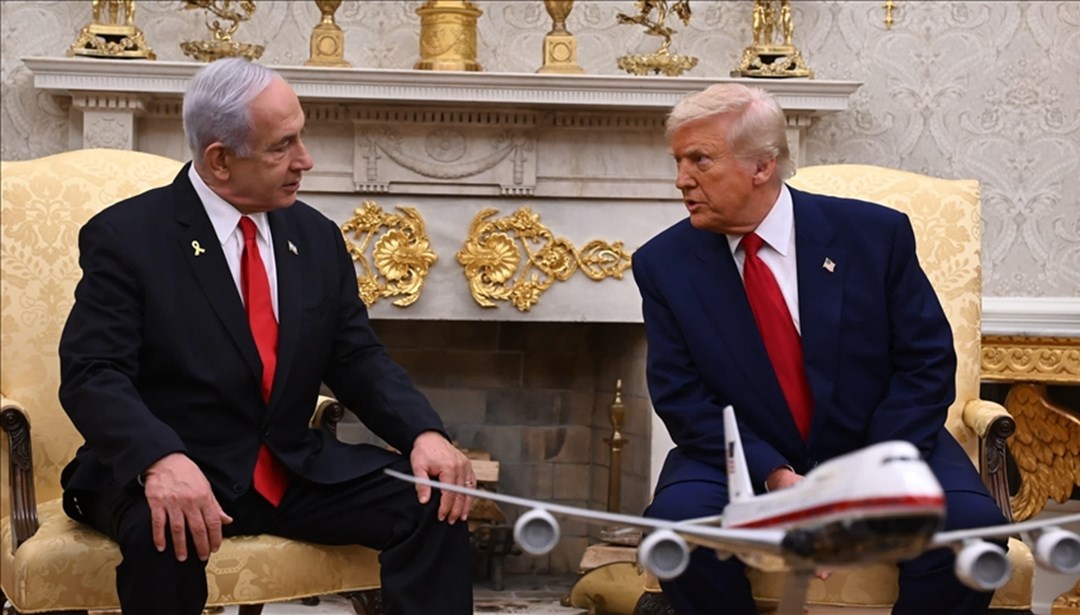
The response from global leaders has varied widely. While some have issued forceful statements condemning Israel’s actions, others have taken a more cautious approach. For instance, U.S. President Donald Trump, during a recent tour in the Middle East, expressed disappointment over the human toll of the ongoing violence, stating, "many people are dying of hunger." His comments reflect a growing concern among U.S. leadership about the humanitarian crisis that is developing in Gaza.
White House officials conveyed that Trump is no longer in favor of an escalating conflict and has urged the Israeli government to “finish this job.” Despite the dire situation, Trump’s measured response stands in contrast to the intense rhetoric coming from many European leaders, who have been vocally critical of Israel’s military tactics.
The Humanitarian Crisis in Gaza
The humanitarian crisis in Gaza is rapidly worsening, with reports of shortages in food, water, and essential medical supplies. Civilians are bearing the brunt of the ongoing conflict, leading to rising numbers of displaced persons and exacerbating an already dire living situation. Organizations such as the United Nations have warned of a potential humanitarian disaster unless immediate action is taken.
Aid agencies are calling for unrestricted access to deliver necessary supplies and medical assistance to the affected populations. The situation is critical, and failure to provide humanitarian aid could lead to long-term consequences not just for Gaza but also for regional stability.
Israeli Government’s Position
The Israeli government maintains that its military operations are essential for national security and aimed at combating threats from militant groups in the region. Israeli officials contend that they are taking all necessary precautions to minimize civilian casualties; however, many international observers remain skeptical about this claim.
This ongoing conflict highlights the complex nature of security and humanitarian concerns in the Gaza Strip. The Israeli defense forces continue to operate under the premise that their actions are necessary to protect their citizens, but the rising civilian toll complicates this narrative.
Future Implications for International Relations
The unfolding crisis in Gaza could have far-reaching implications for international relations. As nations vocalize their positions, the landscape of geopolitical alliances may shift. Countries traditionally aligned with Israel are finding themselves at a crossroads, forced to reconcile their foreign policy with the humanitarian realities on the ground.
Reactions from nations around the world will likely shape diplomatic and economic relations with Israel in the years to come. The ongoing conflict serves as a litmus test for the international community’s commitment to human rights and adherence to international laws governing armed conflict.
A Path Forward
Moving forward, addressing the humanitarian needs of the Gaza population while considering the security concerns of Israel will require thoughtful and proactive diplomacy. The international community must engage in constructive dialogue aimed at fostering a sustainable peace that prioritizes human dignity and safety.
A collaborative effort among nations may be necessary to find viable solutions that prioritize humanitarian assistance while ensuring the safety and security of all parties involved. Only through unified action and commitment to peace and human rights can a path forward be established in this deeply complex and troubling situation.