
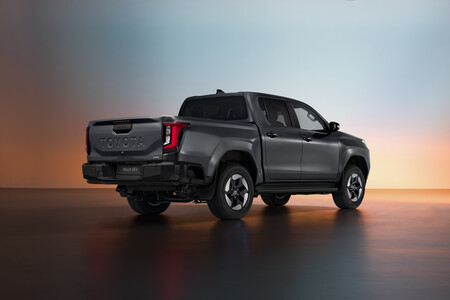
Toyota has presented the ninth generation of its iconic Hilux pick-up, marking a historic milestone with the introduction of a 100% electric variant for the first time in nearly 60 years. This flagship vehicle has been reimagined to emphasize Toyota’s strategic shift towards electrification while still supporting various engine options.
A Renewed Design Inspired by the Land Cruiser
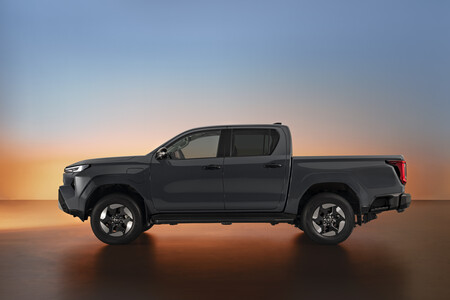
After a decade of the previous generation, the new Hilux showcases significant design upgrades. According to the manufacturer, the exterior design was developed under the concept of “resistant and agile,” presenting a more imposing presence. The new front proportions and slim headlights are connected by a central bar that proudly displays the Toyota name.
For the European market, Toyota has opted to offer solely the double cab body, responding directly to customer preferences in the region.
Interior Transformation
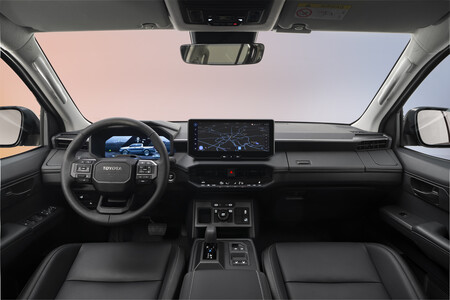
The interior of the Hilux undergoes a complete transformation, heavily influenced by the new Land Cruiser’s design language. A horizontal center console now integrates two 12.3-inch screens—one for digital instrumentation and the other for the multimedia system. All-wheel drive and off-road driving controls are conveniently grouped for easier access.
The Electric Star of the New Generation
The Hilux BEV (Battery Electric Vehicle) features two electric motors, one on each axle, powered by a 59.2 kWh lithium-ion battery. The front motor delivers 205 Nm of torque, while the rear motor produces 268.6 Nm, ensuring permanent all-wheel drive.
According to preliminary data, the expected range is approximately 240 kilometers under the WLTP cycle. While this range may seem modest compared to other electric vehicles, it is tailored for users in rural settings or for short commutes.
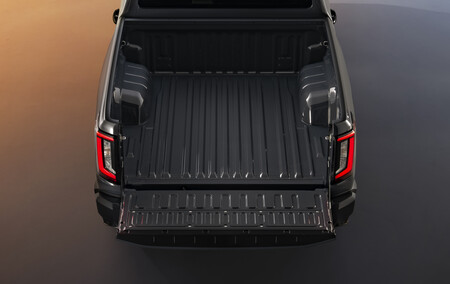
The payload capacity is estimated at around 715 kg, while the towing capacity reaches 1,600 kg. Toyota has emphasized that the battery is designed to resist damage and water infiltration, maintaining the wading depth experienced in combustion versions.
Moreover, the brand hints at “segment-leading” charging capabilities, although specific details about charging power and compatibility with direct current fast charging have yet to be clarified.
Future Powertrains: Microhybridization and Hydrogen
Starting in spring 2026, Toyota plans to launch a Hilux variant featuring 48V micro-hybrid technology. This model is expected to be the highest-selling variant in Europe, combining a 48V battery with a 2.8-liter diesel engine, boasting a towing capacity of 3,500 kg and a load capacity of up to one ton.
In Eastern European markets, Toyota will continue to offer internal combustion engines without electrification options: the new 2.8-liter diesel (replacing the previous 2.4-liter) and a 2.7-liter gasoline option. Additionally, a hydrogen-powered version is projected to launch in 2028, furthering the company’s commitment to sustainable energy solutions.
Enhanced Technology and Safety Features
This generation of Hilux integrates electric power steering for the first time, promising more direct handling, improved maneuverability, and reduced risk of bouncing on uneven terrains. The Toyota T-Mate safety and driving assistance features have also been significantly expanded, offering new functionalities such as low-speed acceleration suppression, an emergency stop system, and a safe exit assistant. Furthermore, the system now supports remote updates.
Availability and Release Date
The new Toyota Hilux is set to go on sale in Europe in December, beginning with the electric version. The microhybrid diesel variant, which is anticipated to be highly sought after, will follow in spring 2026. Pricing details are yet to be disclosed, leaving eager fans awaiting further announcements.
Images | Toyota