
How Paredes de Nava is Resisting Depopulation in Rural Spain
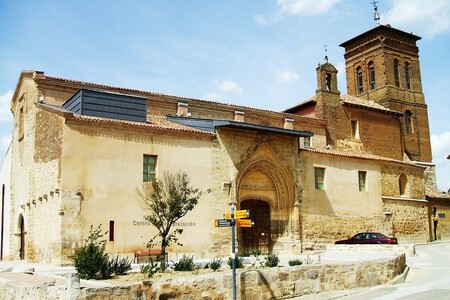
Until recently, Paredes de Nava, a remote town in Palencia, was primarily known for its cultural heritage and as the birthplace of notable figures like the poet Jorge Manrique and painters Pedro and Alonso Berruguete. However, recent developments have placed this quaint town in the spotlight, demonstrating that rural areas in emptied Spain can defy demographic decline and even grow in population.
An Unexpected Demographic Trend
Examining the data from the INE (National Institute of Statistics), Paredes de Nava presents a fascinating case. Typically, regions like Tierra de Campos have seen a steady decrease in population. Yet, recent census data indicates a positive shift, with the town’s population growing against the regional trend. In 2023, the population stood at 1,985, and even as early as 2025, it was already counted at 1,927.
This growth, while modest, is noteworthy for two reasons. First, it marks a break from the historical trend of losing approximately 25 residents annually. Second, the town hasn’t seen significant demographic changes since 2018, making this uptick especially compelling.
Factors Driving Population Growth
So, what fueled this turnaround? The answer lies in a two-pronged strategy focused on immigration and affordable housing. Mayor Luis Calderón initiated contact with TuTecho, a Spanish SOCIMI (Real Estate Investment Trust) aimed at addressing issues of homelessness and housing shortages. Their approach centers on converting vacant properties into affordable homes specifically for vulnerable families.
Affordable Housing Initiatives
In essence, the plan involves acquiring empty houses and leasing them to the City Council, which in turn rents them to newcomers. Surprisingly, 75% of these beneficiaries are foreign, primarily from Latin America. This inclusion not only fills vacant homes but also fosters a sense of community among residents, making it easier for newcomers to establish roots.
Economic Opportunities in Paredes de Nava
What further supports this population increase is the apparent abundance of job opportunities within the region. According to Calderón, there are more than 1,200 job vacancies, which encompass various sectors, including agriculture, livestock, and a forthcoming olive oil refining facility. With a critical demand for workers, the promise of stable employment serves as an additional incentive for newcomers.
Embracing Change: A Model for Other Rural Areas
This demographic revitalization is not just an isolated phenomenon. Spurred by the success observed in Paredes, TuTecho has expanded its efforts to a dozen other towns, creating a replicable model that addresses the dual challenges of depopulation and housing shortages. As Calderón succinctly puts it, “The solution to the country’s main problems, housing and immigration, is in rural areas.”
Sustaining Community Life
One of the most noteworthy benefits of this initiative is its positive impact on local institutions. For instance, the town’s school, previously facing uncertain prospects, is now expected to thrive. This is a significant achievement, considering that nearly 80% of small rural municipalities across Spain are grappling with population decline.
Conclusion
Paredes de Nava’s experience illustrates that rural Spain does not have to resign itself to becoming a wasteland. Through innovative strategies in housing, immigration, and community integration, this small town exemplifies how proactive measures can lead to sustainability and growth. As other towns look to replicate this success, Paredes de Nava stands as a beacon of hope in the fight against depopulation, demonstrating that revitalization is not only possible but achievable.
Images featured in this article credit: Santiago López-Pastor on Flickr and Wikipedia.