
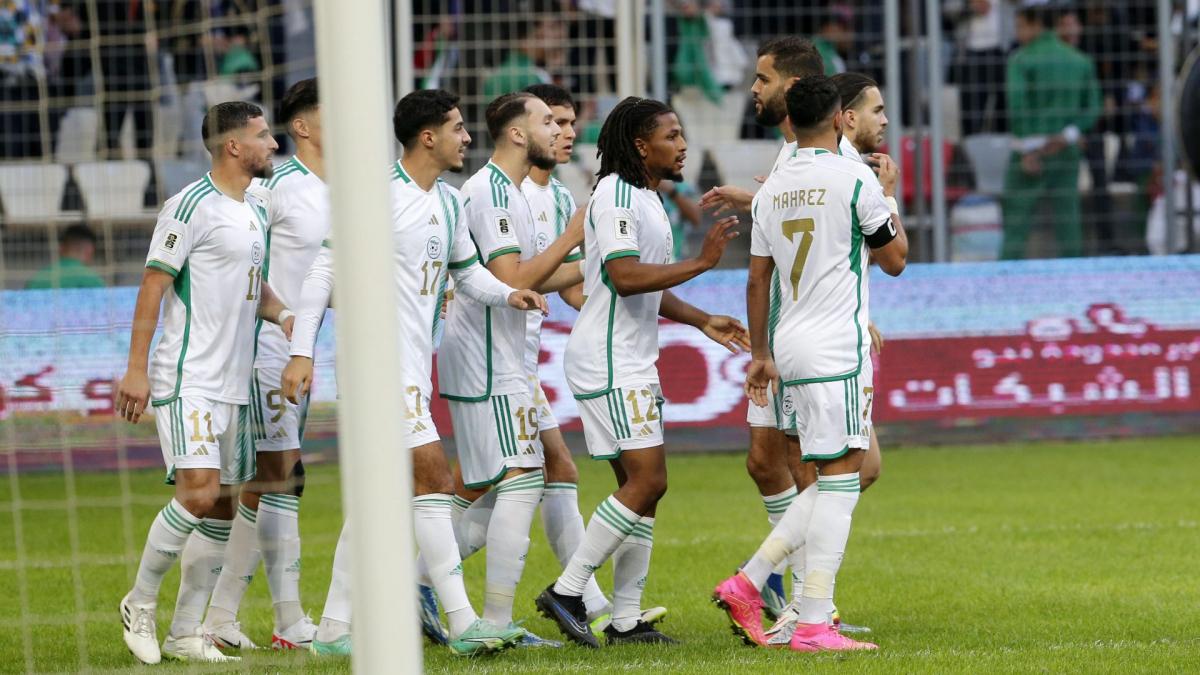
Controversy Ignites Between Algeria and Argentina
Weeks after Algeria’s exit from the 2026 World Cup, controversies surrounding their match with Argentina continue to spark debate among fans and analysts alike. The encounter did not only feature Lionel Messi’s outstanding performance—a hat-trick that propelled Argentina to a 3-0 victory—but also an incident involving Algerian defender Aïssa Mandi that has stirred feelings of injustice and frustration.
The Incident That Started It All
The match, which initially showcased the skill and mastery of the Argentine side, quickly took a different turn when Mandi fell victim to a controversial tackle from Messi. The Argentine striker’s challenge was deemed harsh yet went unpunished by both the referee, Szymon Marciniak, and the Video Assistant Referee (VAR). The Algerian Football Federation wasted no time in lodging a complaint with FIFA in the aftermath, expressing their discontent over what they deemed a series of dubious officiating decisions throughout the match.
Mandi Speaks Out
In a recent interview with the media outlet Kampo, Aïssa Mandi addressed the shocking incident and the aftermath of the match. He stated, “The big difference between you and us is that you have TV. Me, on the ground, I just feel a blow.” His comments emphasize the disconnect between players’ immediate experiences on the field and the spectators’ views influenced by multiple camera angles and replays. It raises questions about how certain actions can be interpreted differently depending on perspective.
The Role of VAR and Refereeing Standards
The failure of VAR to intervene in such a critical moment has reignited discussions about the effectiveness of technology in modern football. FIFA’s introduction of VAR was aimed at reducing errors in judgment, yet instances like this leave room for skepticism. Fans and experts alike are left pondering whether the current protocols adequately protect players and maintain the integrity of the game.
The Aftermath and Ongoing Debate
As the dust settles on Algeria’s World Cup journey, the conversation about the Messi-Mandi incident remains lively across social media platforms and sports networks. Many supporters argue that justice still needs to be served and that the callousness of such actions—especially in a high-stakes tournament—cannot be overlooked. While the Algerian Federation seeks accountability, the broader question lies in how the football community will address and prevent similar incidents in the future.
Conclusion
The 2026 World Cup witnessed more than just thrilling matches and memorable performances; it also highlighted the complexities of officiating in elite football. As players like Aïssa Mandi come forward to share their experiences, it’s essential for governing bodies to reflect and learn from criticism. In the ever-evolving sport of football, ensuring fairness and safety for all players should remain a top priority, especially as we head into future tournaments. The Messi-Mandi incident may fade from the headlines, but its implications may linger longer, reminding us that the journey towards a fairer game is ongoing.